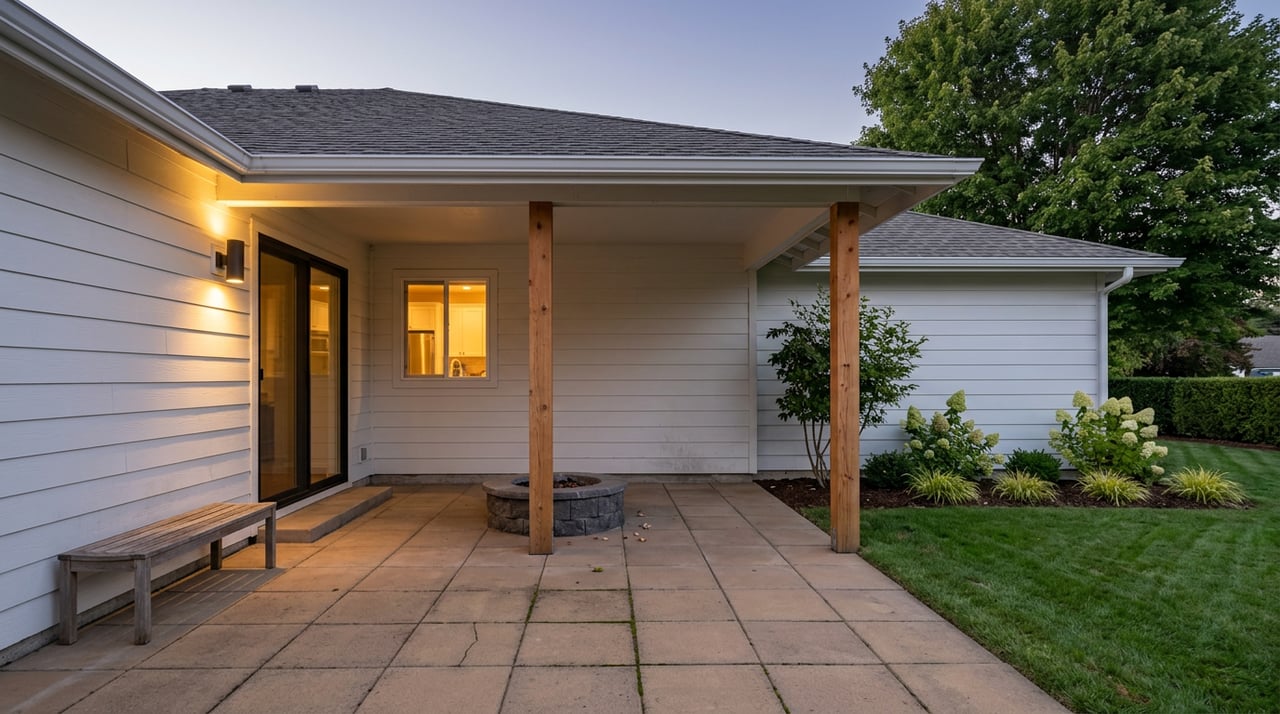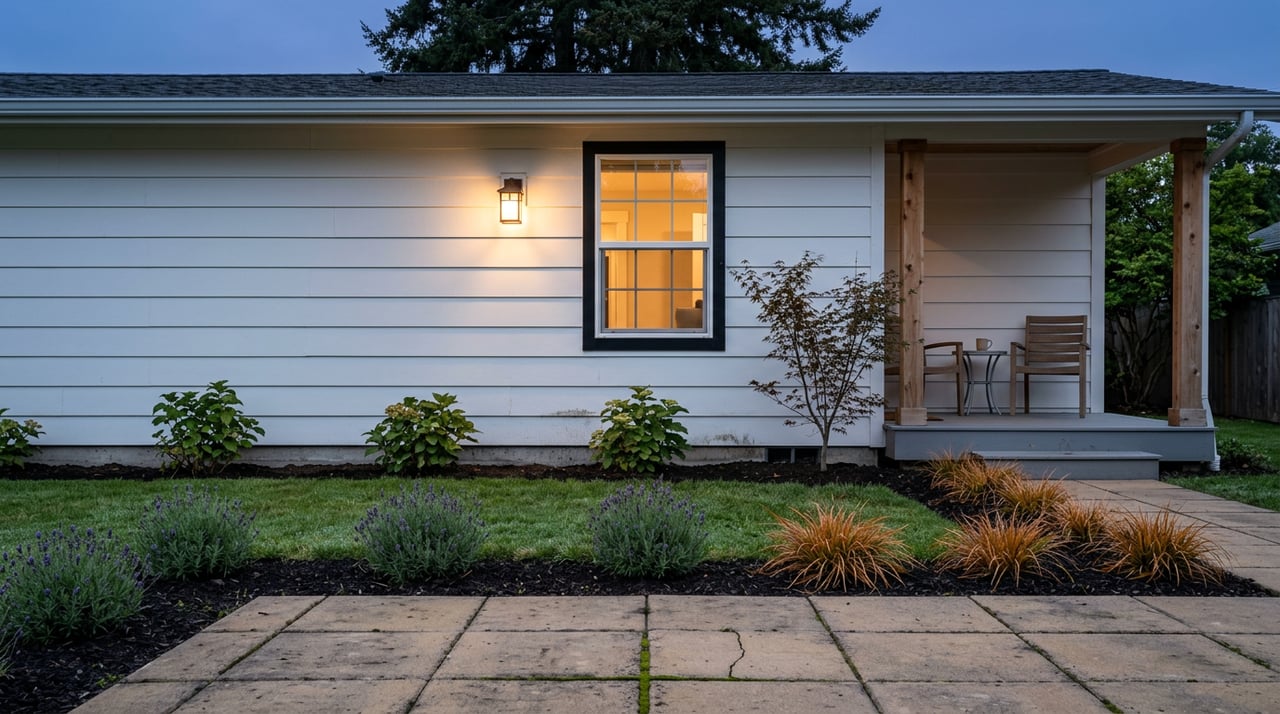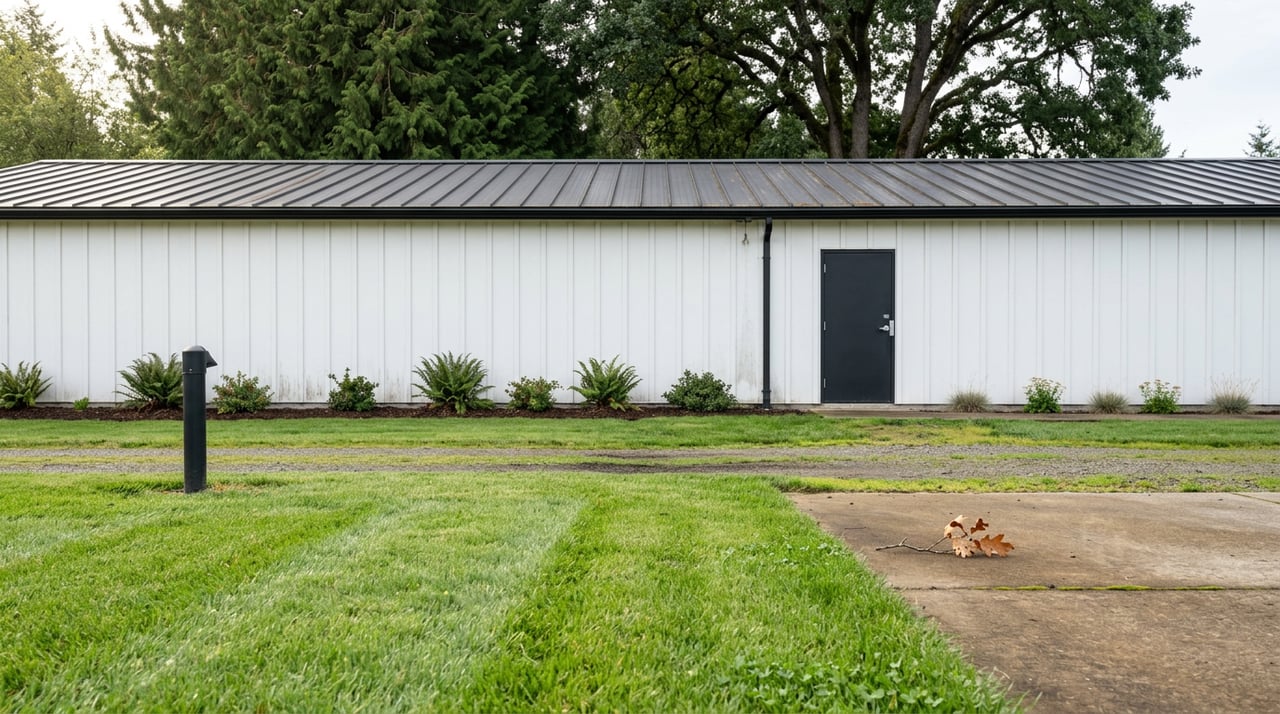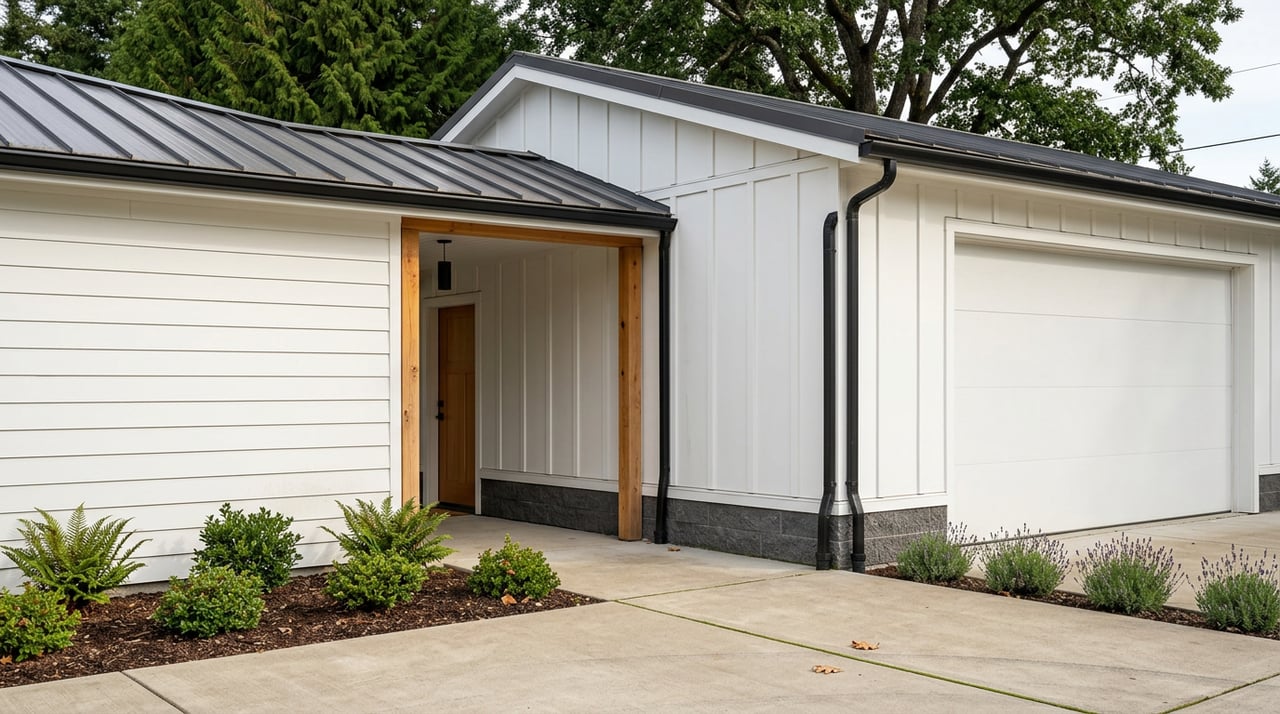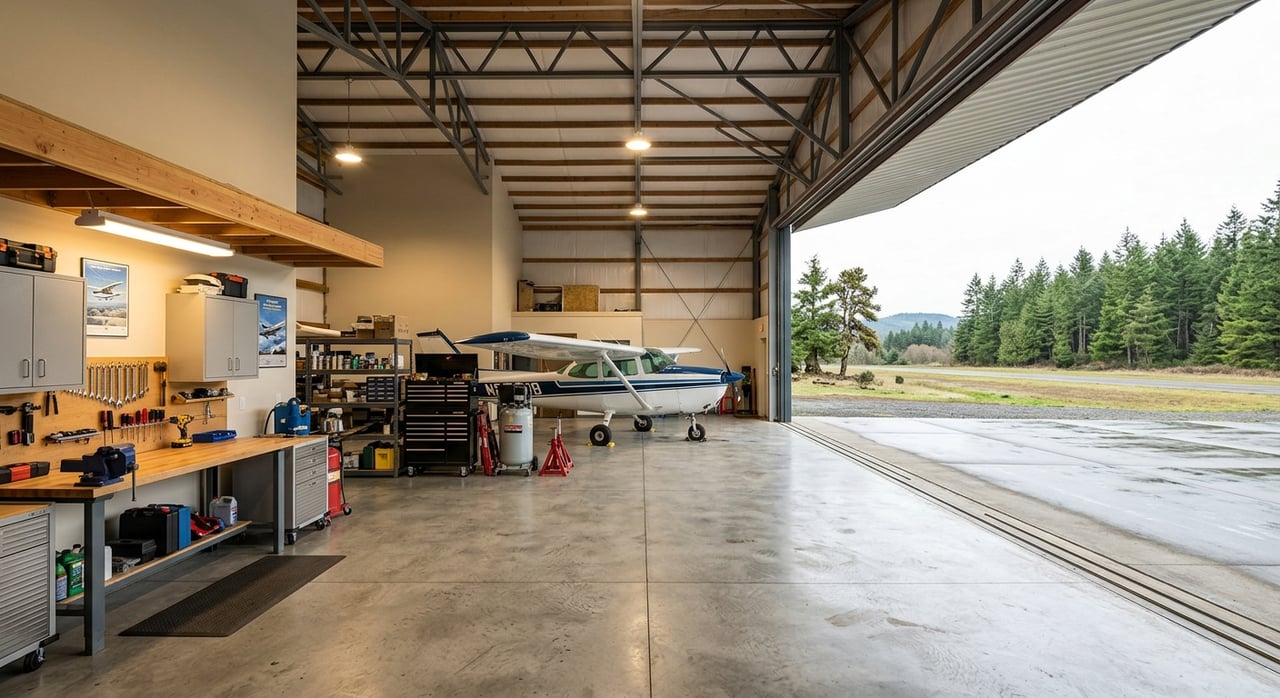
If you have ever wanted to step from your home to your hangar and onto a runway in minutes, Olinger Airpark offers a lifestyle that feels very different from a typical neighborhood. For aviation-minded buyers, that kind of setup can be exciting, but it also comes with questions about access, rules, upkeep, and daily practicality. This guide will help you understand what Olinger Airpark living looks like near Hillsboro, what to verify before you buy, and why this location works so well for the right buyer. Let’s dive in.
What Olinger Airpark Is
Olinger Airpark, also known as OR81, is a privately owned, private-use airpark about three miles west-northwest of Hillsboro in unincorporated Leisyville in Washington County. According to the official Olinger Airpark site, it has a single 2,000-foot lighted turf strip, with homes running along the north side of the field.
FAA-derived airport listings describe the runway as approximately 2,000 by 80 feet with a turf/gravel surface and low-intensity edge lights, which gives it more of a grass-and-gravel feel than a conventional paved airport. It is not a public airport, and use is limited to homeowners or invited guests who have prior permission, based on the airport’s published access rules.
Olinger’s Small-Scale Airpark Feel
One of the biggest lifestyle differences at Olinger is its scale. The airpark’s website says there are 12 active single-engine aircraft based there, split between experimental or amateur-built planes and factory-built aircraft, with other aircraft under construction or restoration. That creates a neighborhood atmosphere centered more on personal aviation than traffic volume.
In practical terms, this is not a busy, service-heavy airport environment. There are no on-field fuel services, and there are no field services listed on site, according to both the airport’s website and AirNav’s OR81 listing. Daily life here is more about self-management, coordination, and a shared understanding among residents who value aviation as part of everyday living.
A Brief Look at Olinger History
Olinger Airpark has roots going back decades. The official airport history says Bill Olinger started the airpark in the late 1950s and opened it in 1958 on the site of a former hop farm.
That same history notes that empty lots sold in the early 1960s for $1,800 and included partial ownership of the airport. By 1976, the strip had grown to 12 homes. That long history helps explain why Olinger feels established, personal, and closely tied to the people who live there.
What Daily Life May Feel Like
At Olinger, aviation is woven into daily routines. Instead of driving to a distant airport, you may be walking to your hangar, checking conditions, coordinating runway use, and rolling out from home. That rhythm is a major part of the appeal for buyers who want aviation to be part of normal life rather than a separate weekend activity.
Because OR81 has no control tower and no published instrument procedure, the environment depends on visual flying and coordination among residents and approved guests, as reflected in the AirNav overview. The result is a lifestyle that tends to suit buyers who value independence, understand private-strip operations, and appreciate a close-knit aviation setting.
The broader residential airpark model also helps frame the experience. In AOPA’s overview of residential airparks, owners often live near others who share the same aviation interest, with close attention paid to runway rights, easements, deeds, and association rules. Olinger fits that general pattern, with the runway functioning as a central feature of the neighborhood.
Why Hillsboro Adds Practical Value
Lifestyle is only part of the story. For many buyers, Olinger becomes even more appealing because it sits close to Hillsboro, where everyday work, errands, dining, and services are easy to reach.
The City of Hillsboro describes itself as a major employment center, with more than 15 percent of Oregon’s manufacturing jobs and Intel listed at 22,300 employees as of the first quarter of 2024. The city also states that companies in its industrial district employ more than 40,000 people and account for over half of Hillsboro’s employment and 70 percent of the city’s payroll, according to its key industries and business overview.
For a buyer, that means you can pursue an aviation-centered home life without giving up access to a major west-side job base. That balance is rare. You get a more rural, specialized residential setting while still staying connected to one of the region’s strongest employment hubs.
Hillsboro also supports day-to-day convenience. The city highlights downtown’s Cultural Arts District and shopping and gathering areas such as Tanasbourne, Sunset Esplanade, and Reed’s Crossing Town Center in its community overview. For buyers considering Olinger, that means the airpark lifestyle does not have to feel isolated.
Aviation Support Beyond OR81
One of the most practical parts of living at Olinger is having Hillsboro Airport nearby for aviation needs that OR81 does not provide. The Port of Portland’s general aviation information describes Hillsboro Airport as a reliever airport with three runways, an FAA tower, an instrument landing system, and more than 25 on-airport businesses.
Those businesses include charter services, flight schools, maintenance, aircraft rental, and aviation fuel. Since Olinger itself does not offer on-site fuel or service support, Hillsboro Airport becomes the logical backup for many operational needs. AirNav places HIO about three nautical miles east of OR81, which reinforces how convenient that relationship can be.
What Buyers Should Verify First
Airpark properties can be rewarding, but they also require more due diligence than a typical home purchase. Before you move forward on a property at Olinger, it is wise to confirm the rights, responsibilities, and limitations tied to both the home and the runway.
Start with the basics:
- Confirm who can use the runway and under what conditions
- Verify prior-permission requirements for guests
- Review who owns and maintains the runway and any taxi access
- Ask about association rules, dues, and shared obligations
- Check recorded easements, deed restrictions, and access rights
- Review any limits that affect hangars, shops, outbuildings, or improvements
The AOPA guidance on residential airparks specifically recommends verifying ownership and operation of the runway and taxiways, along with applicable covenants, easements, and association requirements. The official Olinger site also confirms the private-use and prior-permission nature of the field, making access rules a key part of the buying decision.
Why Height Restrictions Matter
One detail buyers should not overlook is land-use compatibility. Washington County and the State of Oregon both recognize the need to protect private-use airports through planning tools that reduce conflicts between aviation and surrounding land uses.
The Oregon airport land use compatibility guidebook explains the state’s focus on compatibility planning for public- and private-use airports. Washington County planning materials also note that private-use airports like Olinger are protected by overlay rules and graduated height restrictions along approach corridors, which can affect future improvements on a property. You can see that framework in the county’s Rural/Natural Resource Plan materials.
For you as a buyer, that means any future tall tree, hangar addition, shop, or other structure should be reviewed carefully before work begins. A property may feel wide open, but airport overlay standards can still influence what you can build and where.
Is Olinger Airpark the Right Fit?
Olinger is likely to appeal most to buyers who want aviation woven into everyday home life. If you value walking to your aircraft, keeping projects close at hand, and living among neighbors who understand private-strip living, this airpark may be a strong match.
It may be less ideal if you want public-airport convenience, on-site services, or a simple suburban purchase with fewer specialized questions. Olinger’s appeal comes from its character, privacy, and aviation focus, but those same strengths make buyer due diligence especially important.
How to Approach an Olinger Purchase
If you are seriously considering Olinger Airpark, the best first step is to treat the home search and the airpark review as one process, not two separate ones. The house matters, of course, but so do runway access, property rights, maintenance expectations, and long-term usability.
That is where calm, organized guidance can make a big difference. With a niche property like this, you want clear answers early, a solid review process, and a realistic understanding of how the lifestyle matches your goals. If you are exploring airpark real estate in Washington County or elsewhere in the Willamette Valley, Stacey McGhehey can help you sort through the details with steady, practical guidance. Smile! Relax! Enjoy!
FAQs
Who can use the runway at Olinger Airpark?
- Olinger Airpark is private-use, and the runway is for homeowners or invited guests with prior permission, according to the official airport site.
What is the runway surface like at Olinger Airpark?
- The official site describes the strip as turf, while FAA-derived listings describe it as turf/gravel, so the safest summary is that it has a grass-and-gravel feel.
Are there fuel or maintenance services at Olinger Airpark?
- No. The airpark does not have on-site fuel or field services, based on information from the airport website and AirNav.
What should buyers verify before buying at Olinger Airpark?
- Buyers should confirm runway rights, ownership and maintenance responsibilities, association rules and dues, easements, deed restrictions, and any building or height limitations.
Where do Olinger residents go for fuller aviation services?
- Many aviation-related needs are more practical at Hillsboro Airport, which offers fuel, maintenance, flight schools, rental, charter, and towered-airport services through its on-airport businesses, according to the Port of Portland.