Imagine rolling your airplane out of your own hangar, making a quick call on 122.9, and lifting off over Oregon wine country a few minutes later. If you are dreaming about an airpark lifestyle in Newberg, you want clear facts about the runway, access rules, and what daily life really feels like. In this guide, you will learn how Sportsman Airpark works, what to look for in homes and hangars, and how to decide if this community fits your flying and lifestyle goals. Let’s dive in.
Sportsman Airpark overview
Sportsman Airpark (FAA ID 2S6) sits about a mile southeast of downtown Newberg. It is a privately owned, public-use general aviation field operated by the Dale family and has served local pilots since 1946. You get a small-airport feel with public access, on-field fuel, and maintenance that make weekend flying simple. For official field details, review the airport’s summary on AirNav’s Sportsman Airpark page.
Runway and operations
- Single paved runway 17/35, approximately 2,755 by 50 feet with displaced thresholds and low-intensity edge lights, as noted on AirNav.
- No published instrument procedures. Operations are primarily VFR, with pilots self-announcing on CTAF/UNICOM 122.90.
- Field remarks identify nearby obstacles and non-standard markings. If you fly heavier or faster aircraft, evaluate these details carefully.
Services that simplify flying
According to the field listing, you will find 100LL and Jet-A on site, major airframe and powerplant maintenance, flight instruction, and aircraft rentals or sales. Hangar and tie-down options exist, but availability changes, so confirm current openings and fuel hours with airport management using the contact info on AirNav’s listing. The airpark also serves as a launch site for hot-air balloon operations at certain times, often in the early morning.
Scale and activity
Regional planning documents summarizing FAA 5010 data describe Sportsman as a small GA field with an estimated several dozen based aircraft and on the order of ten to low‑teens thousand annual operations, depending on year and source. Treat these as approximate indicators rather than hard counts. For context, see the operations summaries referenced in the McMinnville Airport Master Plan existing conditions chapter.
Living near the runway
The City of Newberg created Airport Residential and Airport Industrial districts in the Sportsman Airpark planning area. The city’s Sportsman Airpark Land Use Master Plan outlines where residential uses can occur, how to preserve the small-airport character, and where some parcels may be positioned for potential runway access. You can review the framework in the Sportsman Airpark Land Use Master Plan.
What does this mean for you as a buyer? The plan sets the policy foundation, but the real-world ability to taxi from a residential lot to the runway depends on recorded access rights, easements, and airport agreements. Each property is unique. You will want to verify access, covenants, and any conditions with the city and the airport manager before you rely on runway connectivity.
Access and RTTF basics
If you picture “taxiing from your backyard,” you are thinking about Residential Through-the-Fence access. The FAA permits Residential Through-the-Fence (RTTF) agreements only under specific rules, and those agreements can include restrictions, such as limits on commercial activity from the residential side. To understand how RTTF works, review the FAA’s overview of residential through-the-fence policy. At Sportsman, any access is governed by local approvals and agreements. Always confirm the existence and scope of rights for the specific property you are considering.
Homes and hangars you will find
Airpark living usually includes a mix of options:
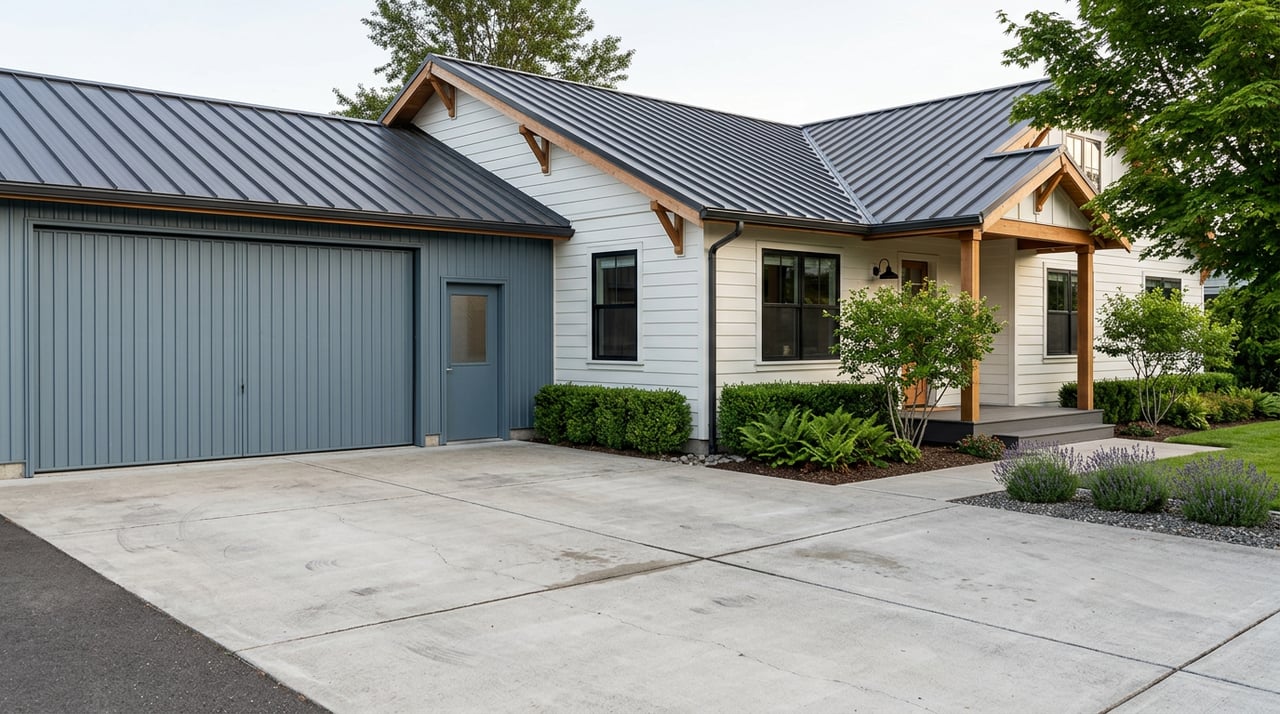
- Attached hangar homes that integrate living space and aircraft storage.
- Detached private hangars on residential lots with nearby taxi access if permitted.
- T-hangars and box hangars on-field for owners who live close by but do not need direct taxi access from home.
- “Condo hangars,” which are individually owned hangar units in a shared complex. Marketplace snapshots have shown condo hangars appear at Sportsman from time to time. Inventory is time-sensitive, so confirm live availability.
Local signals point to residential streets near the field and a cluster of aviation-oriented properties, as well as periodic hangar offerings. For examples of hangar types and terminology, you can skim the airport’s info page at Sportsman Airpark’s site and watch marketplace snapshots such as HangarTrader’s search results. Treat any listing as time-sensitive and verify with the airport manager or MLS.
Day in the life at 2S6
A typical morning might start with a preflight in your hangar, a short taxi to the run-up area, and a call on 122.9. You will roll onto runway 17 or 35, keeping the displaced thresholds and nearby obstacles in mind. After your flight, you can fuel with 100LL or Jet-A on field or schedule maintenance with the on-site shop, as listed on AirNav.
On some mornings, you may see a balloon crew preparing for launch. Expect a neighborly culture where communication and courtesy matter. If you plan a dawn departure or a late return, coordinate noise awareness the same way you would in any residential community close to a working airfield.
Weather and season realities
The Willamette Valley brings low ceilings and steady rain in late fall and winter. Sportsman does not have published instrument procedures, and the runway is relatively short, so VFR planning and seasonal flexibility are important. Many pilots use nearby weather reporting from larger fields in the region for planning context. Build conservative margins into your personal minimums and aircraft performance calculations.
Who this lifestyle fits
Sportsman Airpark can be a great match for:
- Owner-pilots of light singles and smaller twins who value quick hops over wine country and easy access to the Portland metro area.
- Pilots who prefer VFR or are comfortable planning around VFR seasons.
- Aviation hobbyists and small business owners who benefit from local connectivity and on-field services.
It may be less ideal if you routinely need robust IFR procedures, operate larger corporate aircraft, or want a completely quiet suburban setting. The runway length, displaced thresholds, and lack of instrument approaches shape what aircraft and operations are practical at 2S6. For field specifications and services, see AirNav’s airport data. For access rules, the FAA’s RTTF guidance is your baseline reference.
Pros and cons to weigh
Pros
- Immediate proximity to a community GA field with fuel, maintenance, and instruction.
- Potential for approved residential access on certain parcels, per city planning and agreements.
- Wine-country lifestyle with resorts and amenities a short drive from the field.
Considerations
- Aircraft noise and active operations near residences.
- Regulatory complexity for through-the-fence access rights and ongoing agreements.
- Weather and runway length that favor lighter aircraft and VFR planning.
Buyer checklist for Sportsman
Use this quick list to organize your due diligence:
- Confirm legal taxi access. Determine whether the parcel has recorded easements or a Residential Through-the-Fence agreement, or if it is simply adjacent to the field. Review the FAA’s overview of RTTF agreements.
- Inspect hangar functionality. Measure hangar door width and height, check apron slope and taxiway pavement condition, and review electrical service needs. The airport’s info page at Sportsman Airpark is a helpful primer.
- Validate performance numbers. Review runway declared distances and the impact of displaced thresholds for your aircraft, as listed on AirNav’s Sportsman page.
- Review local rules. Read covenants or HOA guidelines and confirm permits and standards for the Airport Residential district in the Sportsman Master Plan.
- Talk with the airport manager. Ask about hangar availability, ramp rules, and any planned field improvements. Use contact details provided on AirNav’s listing.
Nearby conveniences
Within a few miles of the airpark, you will find hotels, dining, and services, including well-known wine country resorts. That makes it easy to host visiting friends or plan weekend getaways without long drives. Many owners appreciate the blend of small-town comfort and easy access to greater Portland.
How I help you buy with confidence
Aviation properties are different. You are not just buying a home. You are buying access, performance, and long-term usability. As a Principal Broker based in the Willamette Valley with a track record in airpark transactions, I help you clarify runway and access fit, source the right hangar or home, and coordinate the specialized due diligence your aircraft requires. From first tour to final signatures, you get calm, organized guidance so you can Smile! Relax! Enjoy!
If you are considering life at Sportsman Airpark, let’s talk about your goals, aircraft, and timing. Connect with Stacey McGhehey to get a plan in motion.
FAQs
What is Sportsman Airpark and where is it?
- Sportsman Airpark (2S6) is a privately owned, public-use general aviation airport about a mile southeast of downtown Newberg, Oregon, as detailed on AirNav’s profile.
What is the runway length and lighting at 2S6?
- The single paved runway 17/35 is about 2,755 by 50 feet with displaced thresholds and low-intensity edge lights, according to AirNav’s airport data.
Can I taxi from a residential property to the runway?
- Only if the property has recorded access rights and an approved through-the-fence agreement; the FAA explains RTTF rules here: residential access overview.
Are hangars available to buy or rent at Sportsman?
- Options can include on-field T-hangars, box hangars, and occasional condo hangar offerings, but availability changes; monitor marketplace snapshots like HangarTrader’s search and confirm live status with the airport manager.
How busy is Sportsman Airpark during the year?
- Planning documents summarizing FAA 5010 data describe a small GA field with several dozen based aircraft and roughly ten to low‑teens thousand annual operations, varying by source and year; see the context in the McMinnville master plan chapter.
Does Sportsman have instrument approaches or is it VFR only?
- There are no published instrument procedures at 2S6; operations are primarily VFR with CTAF/UNICOM on 122.90, as noted on AirNav.