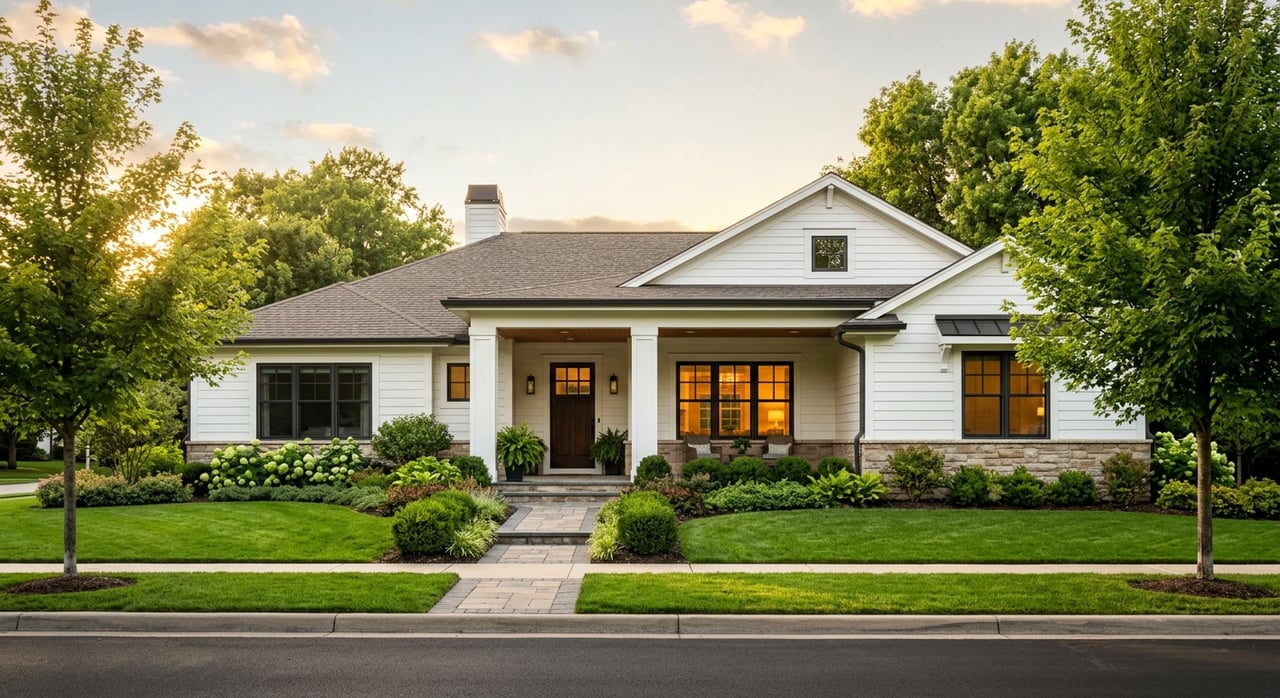
Looking for a home where aviation is part of daily life? Chehalem Airpark gives you a rare chance to buy into a small airpark community near Newberg, with access to the broader Willamette Valley lifestyle many buyers already love. If you are weighing runway access, hangar options, commute realities, and what makes this airpark different from nearby alternatives, this guide will help you sort through the key details with confidence. Let’s dive in.
Why Chehalem Airpark Gets Attention
Chehalem Airpark, also known as 17S, is a privately owned, public-use airpark located about four miles northwest of Newberg in Yamhill County. According to the Oregon Aviation Plan, it is an 18-acre facility that serves general aviation users in the Portland metro orbit.
That same state source connects Chehalem to major Newberg-area anchors, including George Fox University, Linfield University, local wineries, and Providence Newberg Medical Center. For you as a buyer, that means the airpark is not isolated from everyday life. It sits within reach of the services and destinations that shape the broader Newberg lifestyle.
Chehalem also stands out for its scale. The Oregon Aviation Plan places the field at about 12,500 annual general aviation operations and around 31 based aircraft, which is modest compared with larger nearby airports. That smaller footprint is one reason many buyers see Chehalem as a more intimate airpark setting.
Airport Basics You Should Know
If you are shopping for airpark property, the airport itself matters just as much as the house. At Chehalem, Runway 07/25 is paved asphalt and 2,285 feet long, based on the state aviation summary.
There is one detail worth treating carefully. Published sources conflict on runway width. The Oregon Aviation Plan says 60 feet, while FAA-derived airport listings show 40 feet, so it is smart to confirm the current figure with airport management or current airport documents before you rely on it.
The airport is set up for visual approaches and includes a partial parallel taxiway, MIRL, and PAPIs, according to the state plan. FAA-derived information also notes no control tower, CTAF 122.9, 100LL and Jet A fuel availability, and no landing fee, as shown in the current FAA supplement materials. In practical terms, Chehalem functions more like a small, pilot-managed field than a full-service regional airport.
Noise and Operations Matter
When you buy at an airpark, you are buying into an operating environment, not just a street address. The FAA supplement notes noise abatement procedures for runway 25, which is an important clue for buyers.
That tells you aircraft operations and nearby homes are expected to coexist thoughtfully. It also means a home’s position relative to runway ends, taxi areas, and traffic patterns can affect your day-to-day experience. In Chehalem, location within the airpark may matter nearly as much as the home’s size or finishes.
What Homes Look Like Here
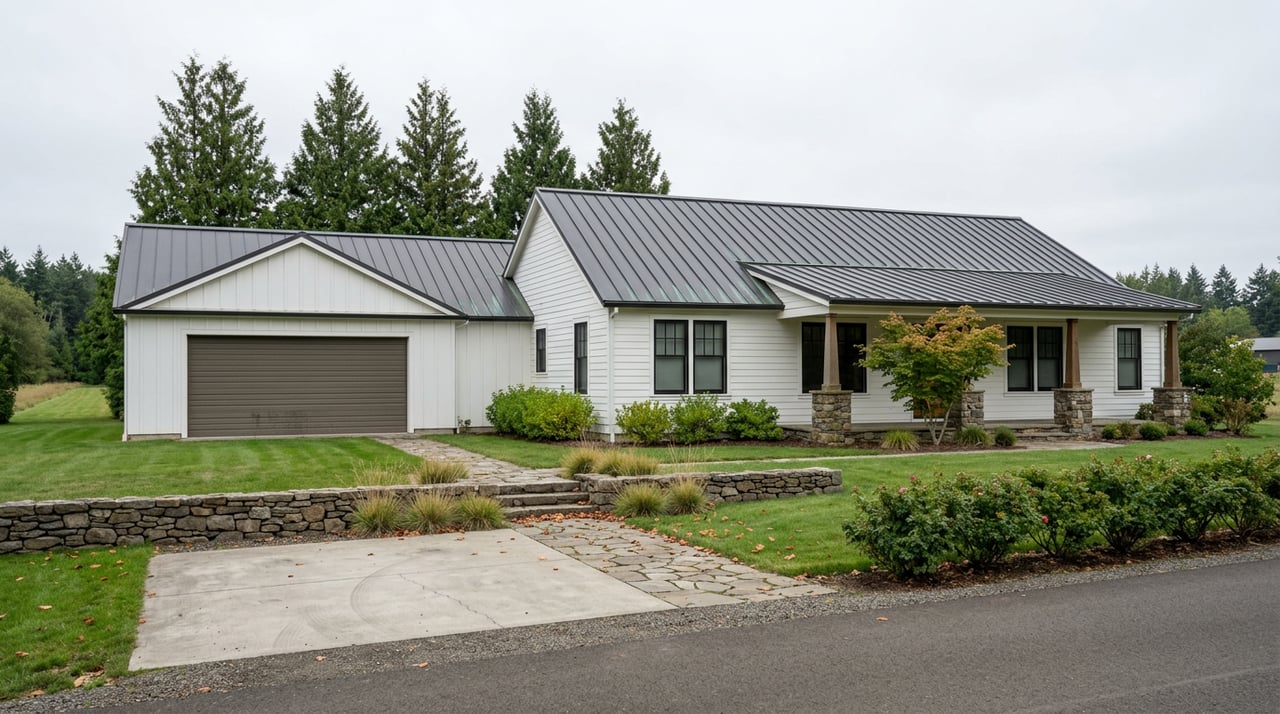
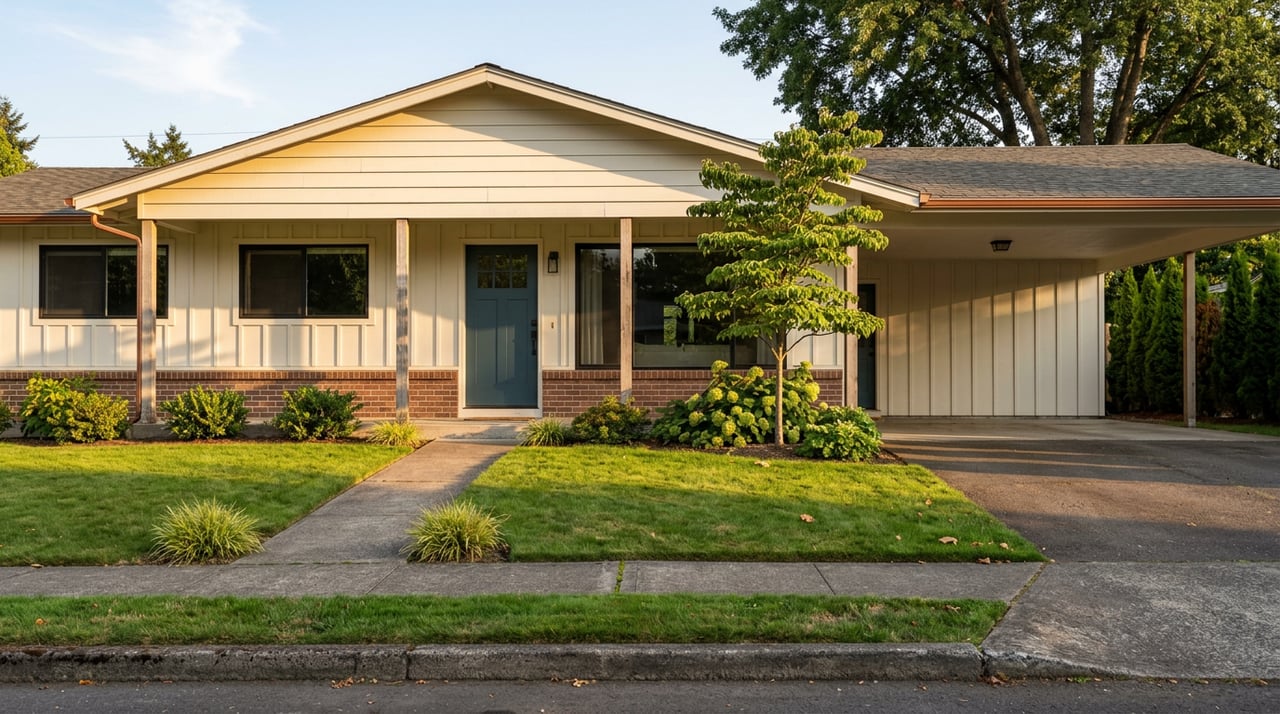
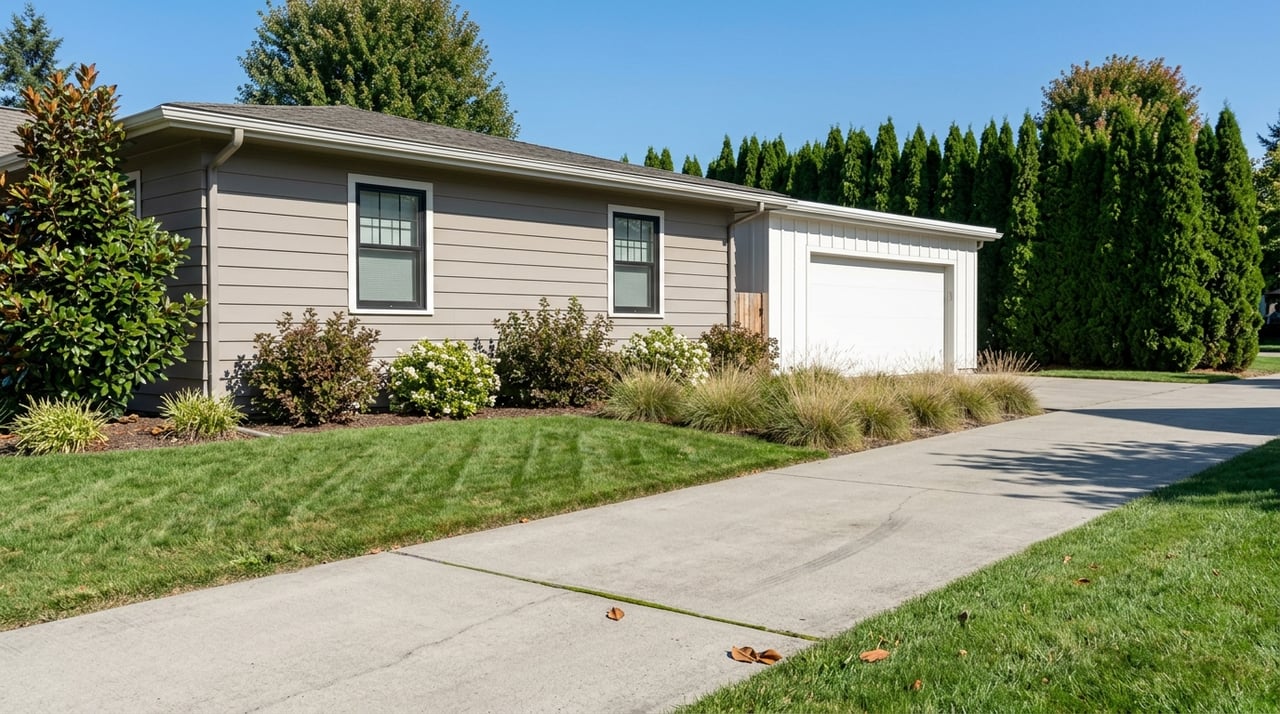
One of the biggest things to understand about Chehalem is that it does not appear to be one uniform property type. Current listings suggest a mix of standard residential homes, larger parcels, and aviation-oriented properties with very different features.
For example, one current Airpark Way listing shows a 4-bedroom, 3-bath home on a 0.16-acre lot with an attached garage and HOA dues. A current Terrys Lane listing advertises about 0.91 acres, deeded access to the Chehalem airstrip, and two large hangars totaling roughly 4,000 square feet with power and plumbing.
That difference matters. You should not assume every Chehalem property comes with the same runway access rights, hangar setup, or lot size. Inventory appears mixed, and each parcel needs its own careful review.
Hangar Options May Vary
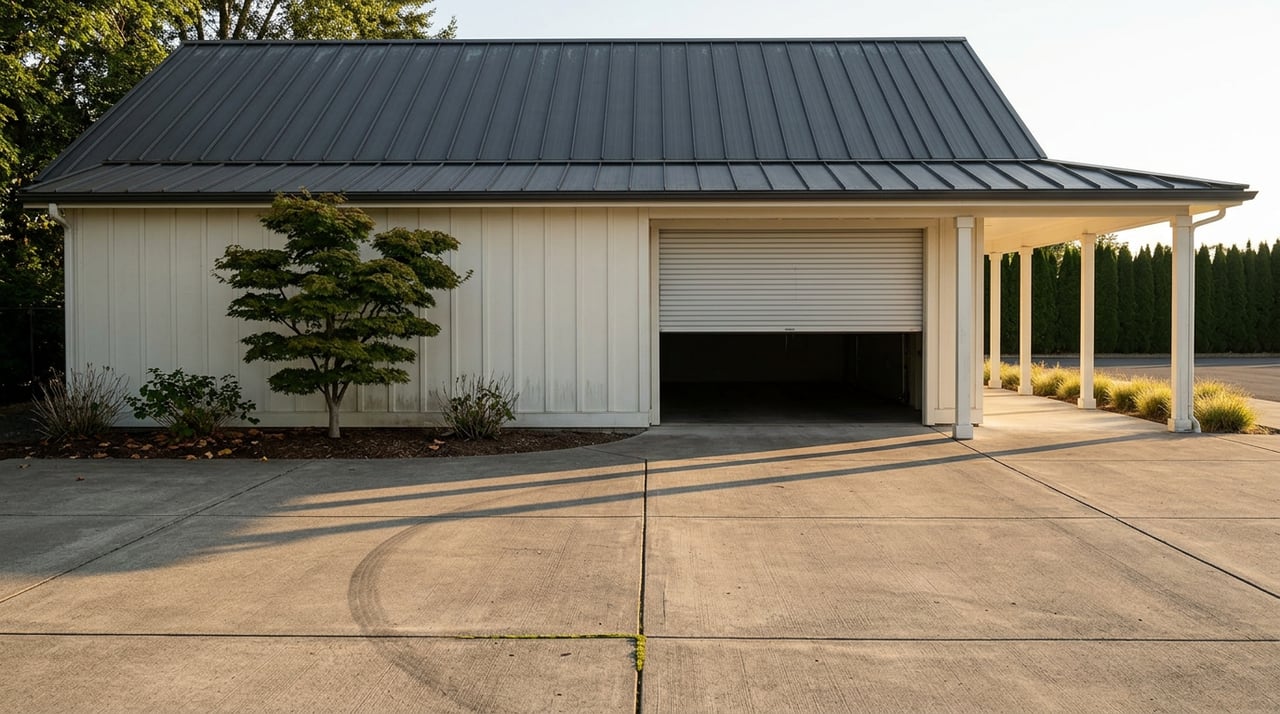
For aviation buyers, hangar details can be just as important as bedroom count. Current market evidence suggests Chehalem may offer more than one hangar model.
In addition to larger private hangar setups tied to some homes, a current Barnstormers listing for T-hangar space advertises private hangar space with electricity and lighting. That suggests you may see a range of arrangements, including on-property hangars, separate hangar rights, or rental-style options.
This is where due diligence becomes critical. A property may have a house without direct taxi access, access without a hangar, or hangar space that is separate from the home purchase. Those details can change the value and fit of a property in a big way.
Questions to Ask Before You Buy
Airpark purchases usually involve more moving parts than a typical residential sale. At Chehalem, it is wise to confirm exactly what rights and responsibilities come with the property before you get too far down the road.
Here are some of the most important questions to ask:
- Is runway or taxiway access deeded to the property?
- Is hangar space included with the home, separately owned, or rented?
- Are there HOA rules or title documents that govern airport use?
- What maintenance responsibilities apply to shared areas or access points?
- How close is the home to runway ends, traffic patterns, or common aircraft movement areas?
- Have you verified current airport details directly when published sources conflict?
A calm, organized review upfront can save you from surprises later. That is especially true in niche aviation properties, where parcel rights and access can vary more than buyers expect.
Living Near Newberg
Chehalem Airpark gives you aviation access, but your daily routine will still revolve around the Newberg area. Newberg sits on OR-99W, and the Chehalem Valley Chamber describes it as roughly 15 minutes from I-5 and about 45 minutes from Portland International Airport.
For commuting, the main factor is often traffic along the 99W corridor. The chamber also notes the area’s connection to regional routes, and that matters if your household includes commuters, students, or nonflying family members.
Transit is available too. According to the chamber’s transportation page, the Newberg area has Yamhill County Transit fixed routes and Dial-a-Ride service. That can be a helpful backup for households that want more than one way to get around.
The Lifestyle Fit
Chehalem tends to appeal to buyers who want aviation access without giving up the rhythm of a smaller city. State and chamber sources tie the Newberg area to colleges, wineries, and major local employers, which gives the area a blend of practical convenience and wine-country atmosphere.
If you want a dense urban setting, Chehalem may not be the right match. But if you are looking for an aviation lifestyle with everyday access to Newberg and the wider Willamette Valley, it offers a distinctive balance that is hard to find.
How Chehalem Compares Nearby
You may also be comparing Chehalem with other Willamette Valley airpark and aviation options. That is a smart move, because runway length, activity level, and services can shape long-term satisfaction.
Here is a simple side-by-side view based on the Oregon Aviation Plan:
| Airport | Runway | Annual Operations | Based Aircraft | Key Takeaway |
|---|---|---|---|---|
| Chehalem Airpark | 2,285 ft | 12,500 | 31 | Small, intimate airpark feel near Newberg |
| Sportsman Airpark | 2,755 ft | 11,650 | 44 | Newberg-area alternative with broader on-field services |
| Lenhardt Airpark | 2,956 ft | 6,000 | 113 | Longer runway with private-airpark character |
| Stark's Twin Oaks Airpark | 2,465 ft | 22,195 | 113 | Busier and more established private-airpark setting |
| McMinnville Municipal Airport | 5,420 ft | 62,000 | 109 | Larger regional option with more runway margin and capability |
In this group, Chehalem appears to be the smallest and most runway-constrained option, based on published acreage, runway length, operations, and based-aircraft figures. For some buyers, that is the appeal. For others, it may mean looking closely at how they plan to use the airport and what level of airport infrastructure they want nearby.
Is Chehalem Right for You?
Chehalem Airpark can be a strong fit if you value a smaller aviation community, want to stay connected to Newberg, and are comfortable doing detailed property-level due diligence. It may be especially appealing if you are looking for a home that blends residential comfort with aviation access in a less industrial-feeling setting.
The key is to avoid assumptions. At Chehalem, runway details, access rights, hangar arrangements, and property formats can vary enough that each home should be evaluated on its own merits. When you go in with clear questions and local guidance, you can make a much more confident decision.
If you are exploring airpark homes in Newberg or anywhere in the Willamette Valley, working with an agent who understands both residential buying and aviation-specific details can make the process much smoother. When you are ready for steady, local guidance, connect with Stacey McGhehey and take the next step with confidence. Smile! Relax! Enjoy!
FAQs
What is Chehalem Airpark in Newberg, Oregon?
- Chehalem Airpark is a privately owned, public-use airpark about four miles northwest of Newberg in Yamhill County, serving general aviation users in the area.
What runway information should Chehalem Airpark buyers verify?
- Buyers should verify current runway details directly because published sources agree on the 2,285-foot length but conflict on runway width.
Do all Chehalem Airpark homes have runway access?
- No, current listings suggest access rights, lot size, hangar improvements, and aviation features can vary from property to property.
What hangar options may be available at Chehalem Airpark?
- Current listings suggest buyers may find a mix of large private hangars, smaller T-hangar options, and properties where hangar arrangements are separate from the home itself.
How does Chehalem Airpark compare with other Newberg-area airparks?
- Compared with nearby options like Sportsman Airpark and Twin Oaks, Chehalem appears smaller and more intimate, with a shorter runway and fewer based aircraft.
What should homebuyers check before buying at Chehalem Airpark?
- Buyers should confirm deeded access, hangar rights, HOA or title restrictions, shared-use responsibilities, and how the property relates to runway and traffic-pattern activity.