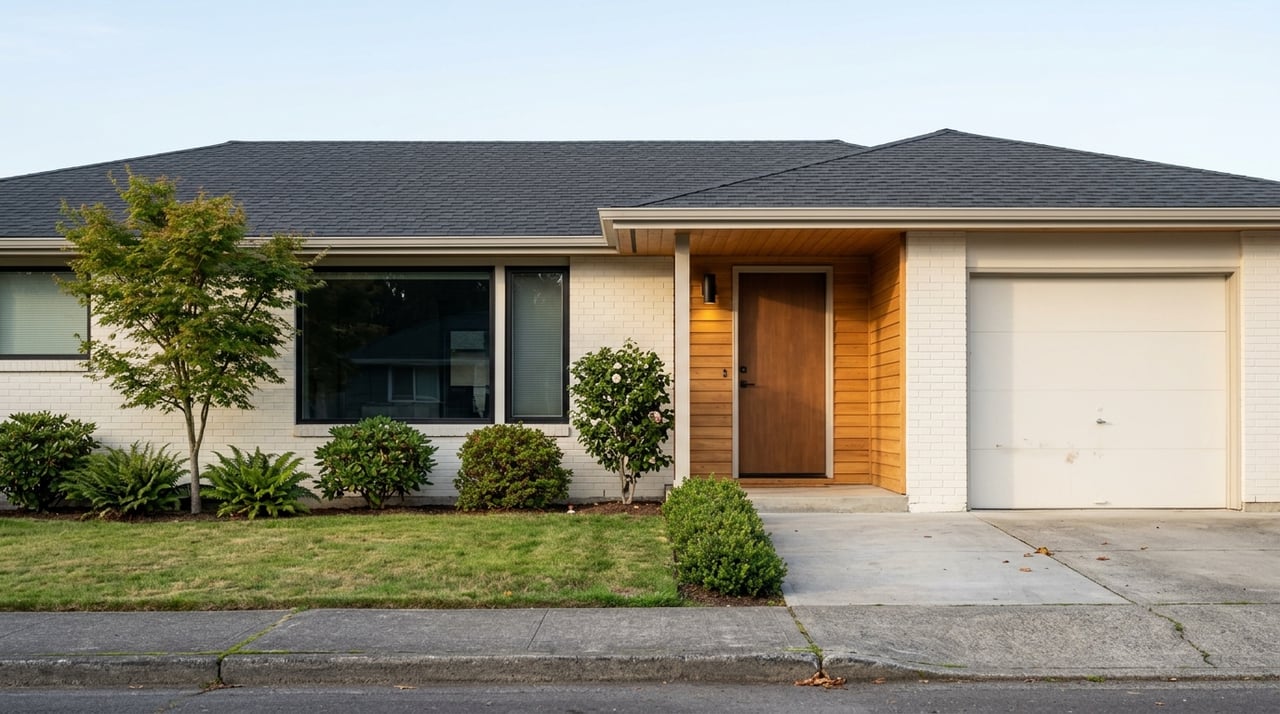
If you’re trying to buy your first home in Salem, sticker shock can make the search feel discouraging fast. The good news is that several core neighborhoods still offer entry points below the citywide typical home value, especially if you stay flexible on size, age, and updates. Here’s how to think through Salem’s starter-home options in the city core so you can focus on what fits your budget and daily life. Let’s dive in.
Why Salem’s core draws first-time buyers
Salem’s citywide market still sits in the mid-$400,000s. In June 2026, the typical home value was reported at $440,407, with a median sale price of $428,417, and the market was described as balanced. Homes were also going pending in about 23 days, which tells you that well-priced homes can still move quickly.
That’s part of why buyers often start in the core neighborhoods. Several of these areas sit below the citywide typical value, giving you a better shot at finding a true starter home without leaving central Salem. For many first-time buyers, that mix of price and location is hard to ignore.
Core neighborhoods to watch
Highland
Highland stands out if price is your main concern. Its typical home value was $343,646, which places it among the lower-priced core options. For a buyer trying to break into the market, that can make Highland a practical place to start.
The City of Salem describes Highland as vintage, tree-lined, and close to shopping and the city center. It is also considered somewhat walkable, very bikeable, and has some transit access. If you want an older neighborhood feel with central convenience, Highland deserves a close look.
Grant
Grant is another strong starter-home option, with a typical home value of $353,959. Nearly all homes and buildings in the neighborhood date from 1900 to 1940, according to the city. That gives the area a distinct historic character, but it also means many homes come with the quirks and maintenance needs that older properties often bring.
Grant borders the Capitol Mall and offers one of the best walkability profiles in the core. It has a Walk Score of 77 and is considered very bikeable. If your priorities include downtown access and a neighborhood with smaller historic homes, Grant may be one of the best fits.
Central Area
The Central Area had a typical home value of $359,568. This part of Salem includes downtown and sits near Riverfront Park, Salem Hospital, City Hall, the Capitol, eateries, and the Saturday Market. The city also notes scenic walking and biking trails downtown, along with a transit center at 555 Court St.
For some buyers, the biggest draw here is convenience. You may also see different property types in the mix, including condo-style homes and newer infill. If you want to reduce the odds of older-home maintenance issues, this area may offer options worth comparing.
Northeast Neighbors
Northeast Neighbors came in at a typical home value of $369,490. The neighborhood includes the Court-Chemeketa Historic District and is described by the city as historic. It is considered somewhat walkable, very bikeable, and somewhat transit-friendly.
This area can work well if you want proximity to the civic core without being right in downtown. You may still find smaller homes that fit the starter-home category, while keeping access to central Salem amenities.
South Central
South Central had a typical home value of $423,515, which is higher than some other core options but still below the citywide typical value. Buyers are often drawn here for its combination of historic character and access to parks. The city describes the SCAN area as having tree-lined streets, historic homes, and thriving businesses.
This neighborhood sits just south of downtown and includes Bush’s Pasture Park and Deepwood Estate. It is also considered somewhat walkable and very bikeable. If you want a stronger balance of location, parks, and neighborhood character, South Central may be worth stretching for.
What Salem starter homes usually look like
In Salem’s core, starter homes often fall in a practical range of about 700 to 1,600 square feet. Many of the lower-entry options are 2-bedroom, 1-bath homes. That means your first home may be smaller than what you first imagined, but it can still be a smart step into ownership.
Current examples in the market have included a 692-square-foot 1910 bungalow in Grant, a 738-square-foot 2-bedroom, 1-bath in South Central, an 873-square-foot 2-bedroom, 1-bath in Northeast Neighbors, a 1,270-square-foot updated 2-bedroom, 1-bath in Highland, and a 2022 downtown loft condo in the Central Area at 1,594 square feet.
Common features in these neighborhoods include front porches, fenced yards, decks, carports or detached garages, basements, and hardwood floors. You’ll also see homes with updates such as newer roofs, windows, plumbing, electrical, HVAC systems, and kitchens. In other words, many starter homes here blend older character with selective improvements.
The trade-offs to expect
The biggest trade-off in Salem’s core is simple. Lower-priced homes tend to be older and smaller, while the most convenient locations cluster around downtown and the civic corridor. Knowing that upfront can help you make faster, clearer decisions.
If budget matters most, Highland and Grant are smart starting points because their typical values are among the lowest in the core. If you care more about parks and neighborhood character, South Central may offer a better overall balance. If convenience is your top priority, Central Area and Grant offer some of the strongest access to downtown and transit.
You may also need to choose between charm and predictability. An older bungalow with a yard and basement may offer more personality, while a newer condo or infill home may reduce legacy maintenance concerns. Neither choice is automatically better. It just depends on what kind of trade-off feels manageable for you.
Why older homes need extra homework
Several Salem core neighborhoods are designated Heritage Neighborhoods. The City of Salem says Grant, Highland, SCAN, and SESNA are current heritage neighborhoods, and the city requires historic design review for exterior alterations to local historic landmarks or resources within National Register districts.
For you as a buyer, that means it is smart to ask more questions before planning exterior changes. If you dream of replacing windows, changing siding, or making other visible updates, you’ll want to understand whether review requirements may apply. A home’s charm can be a big plus, but it should come with clear expectations.
Lead-based paint is another issue to keep on your radar in older homes. For pre-1978 houses, the older the home, the more likely it is to contain lead-based paint, and federal disclosure rules give buyers the right to know about lead hazards before buying most pre-1978 housing. In Salem’s older core neighborhoods, that makes disclosure review and lead-safe renovation planning especially important.
Budget beyond the price tag
A starter-home budget should include more than your down payment and monthly mortgage. In Salem’s core, it’s wise to plan for inspection costs, likely repairs, possible lead-safe work, appraisal risk, closing and transaction costs, and routine maintenance.
It also helps to move quickly on your inspection timeline. A home inspection can help evaluate the home’s structural and mechanical systems, including HVAC and electrical. Inspection contingencies can also create room to renegotiate or cancel if major concerns show up.
You should also keep appraisal risk in mind. If an appraisal comes in below the contract price, that can create a cash gap you need to solve before closing. On a lower-priced home, that surprise can still hit hard if your budget is already tight.
If a property is near the Willamette River or another water corridor, ask about flood and disaster risk before making an offer. That step may not apply to every home you tour, but it is worth checking when location raises the question.
How to narrow your search
If you’re feeling overwhelmed, start by ranking your top three priorities. Most first-time buyers end up choosing among price, location, and condition. Once you know which one matters most, Salem’s core neighborhoods become easier to sort.
A simple way to frame your search is:
- Choose Highland or Grant if your main goal is a lower entry price in the core
- Choose South Central if you want a balance of price, park access, and historic character
- Choose Central Area or Grant if downtown access and convenience matter most
- Look at newer infill or condo-style homes near the core if you want fewer maintenance surprises and can give up some yard space or detached-garage options
This kind of clarity can save you time and stress. It can also help you avoid chasing homes that look exciting online but do not really match your day-to-day needs.
Buying your first home is a big step, but it does not have to feel chaotic. With the right neighborhood focus, a realistic budget, and steady guidance, you can make a smart move in Salem’s core and feel good about it. If you want calm, step-by-step support as you compare neighborhoods in Marion County, reach out to Stacey McGhehey and take the next step with confidence.
FAQs
What is the price range for starter homes in Salem’s core neighborhoods?
- Many core neighborhoods sit below Salem’s citywide typical home value of $440,407, with typical values reported at $343,646 in Highland, $353,959 in Grant, $359,568 in Central Area, $369,490 in Northeast Neighbors, and $423,515 in South Central.
What size homes are common for Salem starter homes near downtown?
- Starter homes in Salem’s core often range from about 700 to 1,600 square feet, with many lower-entry options in the 2-bedroom, 1-bath category.
Which Salem core neighborhoods are best for first-time buyers on a tighter budget?
- Highland and Grant are often strong starting points because their typical home values are among the lowest in the core.
What should buyers know about older homes in Salem heritage neighborhoods?
- Older homes may come with added due diligence, including possible historic design review for certain exterior changes and a higher likelihood of lead-based paint in pre-1978 homes.
What extra costs should buyers budget for in Salem’s core neighborhoods?
- A practical budget should include inspection costs, repairs, possible lead-safe work, appraisal risk, closing and transaction costs, and routine maintenance.