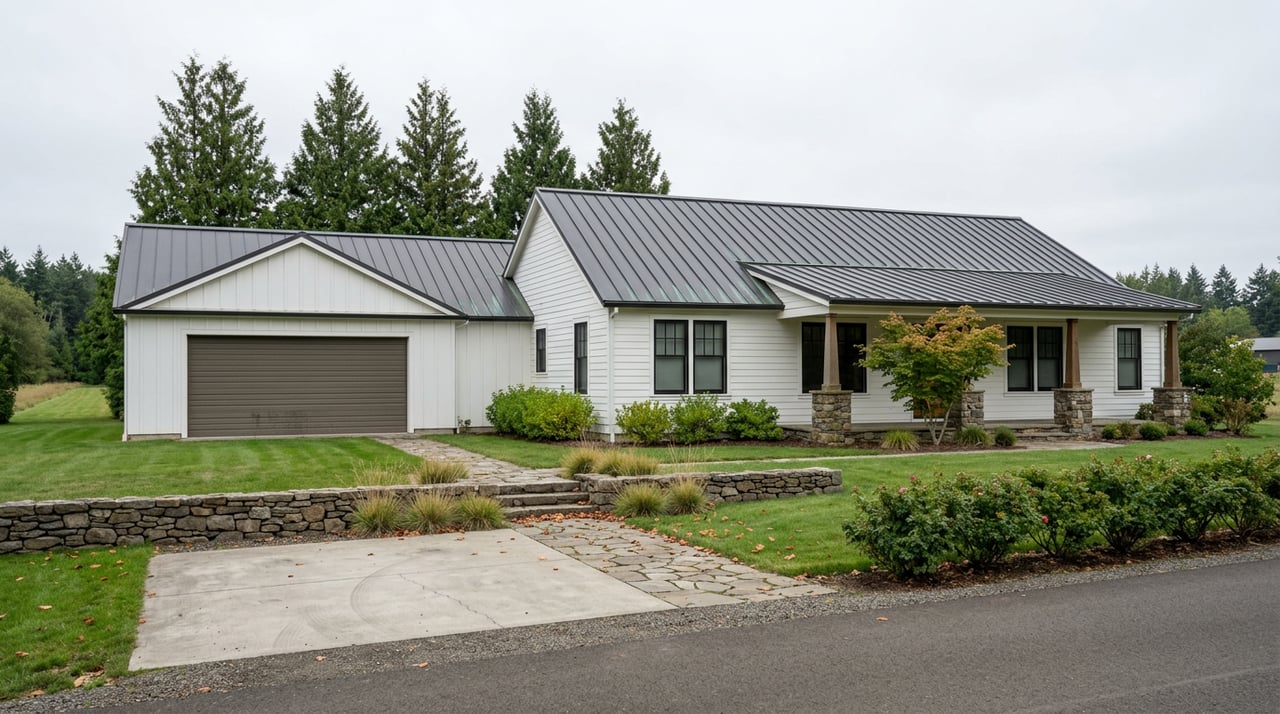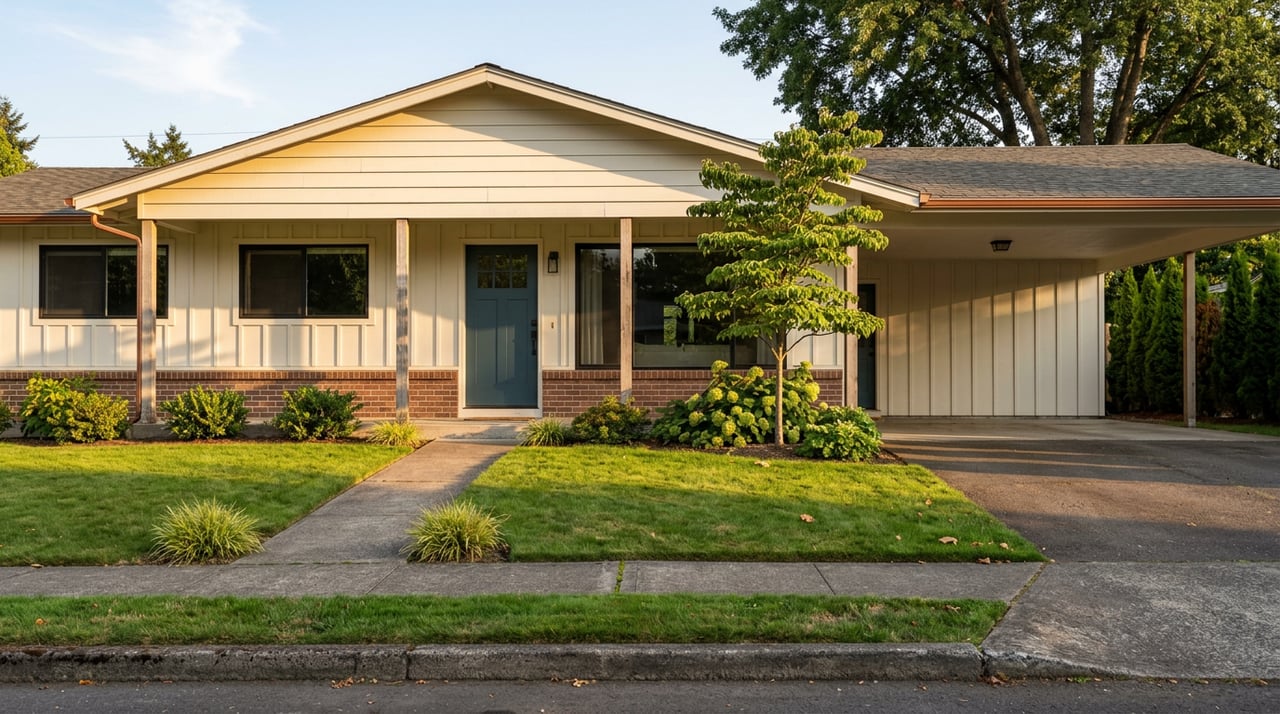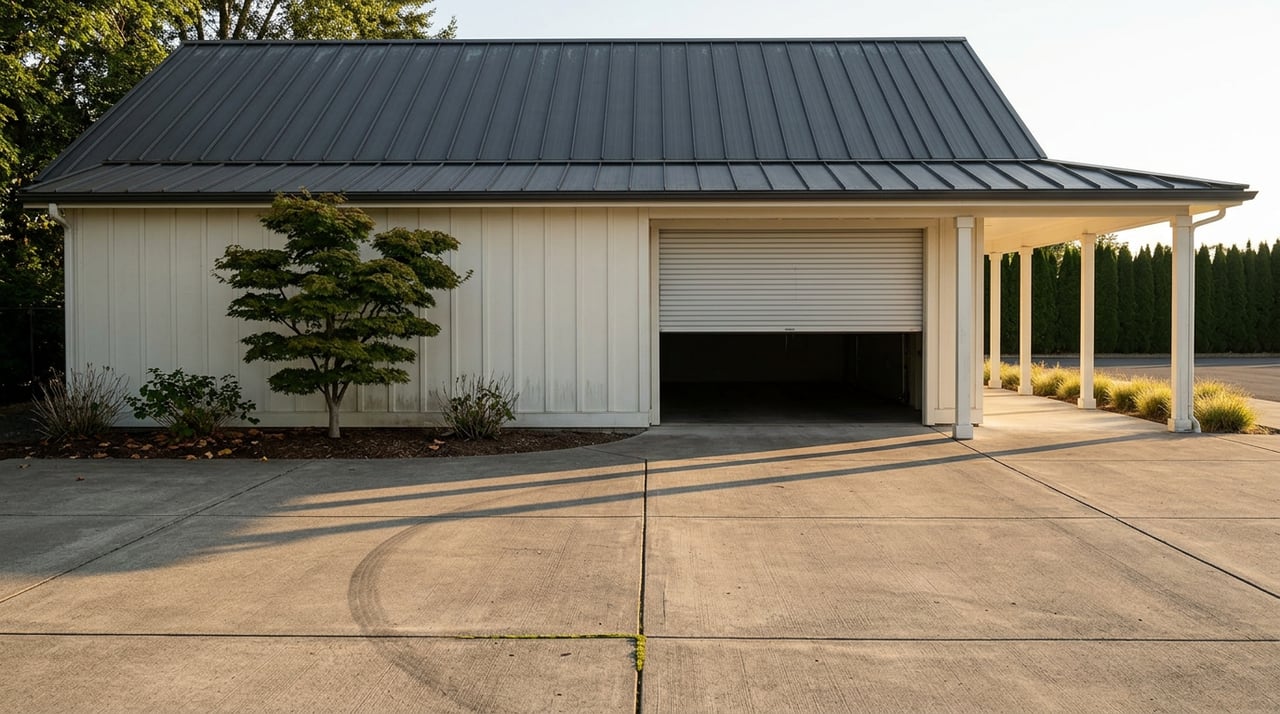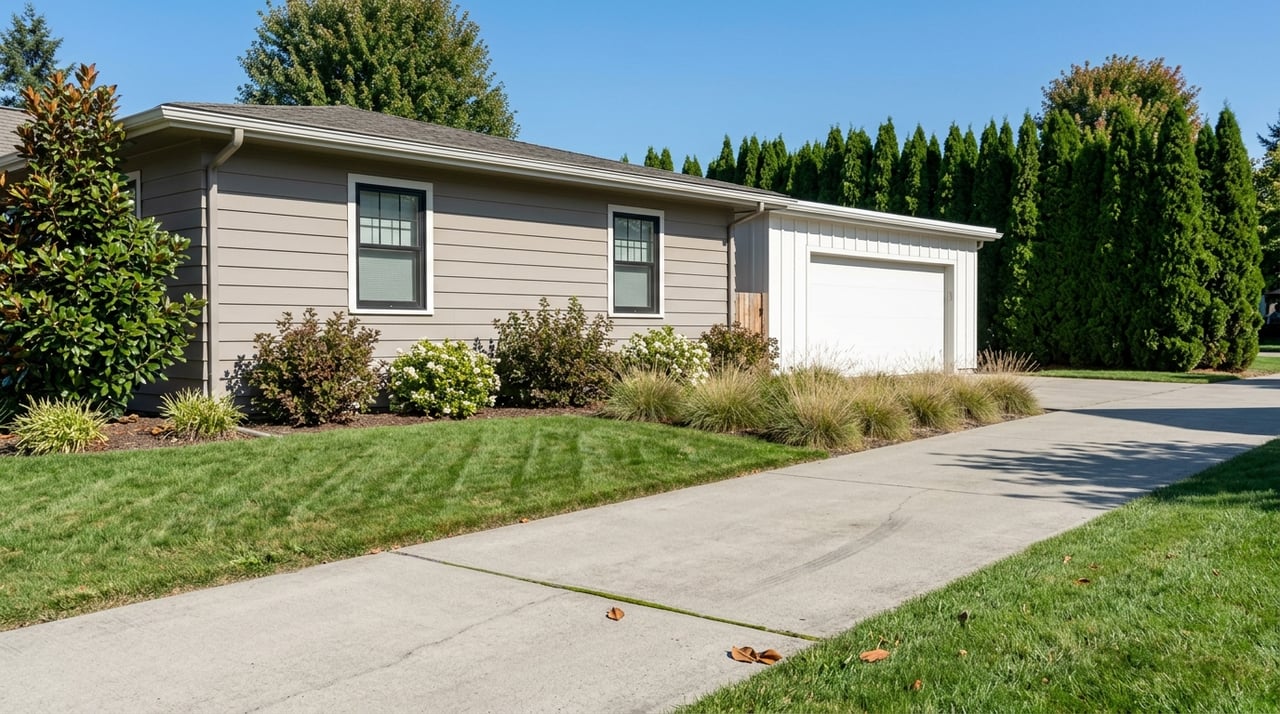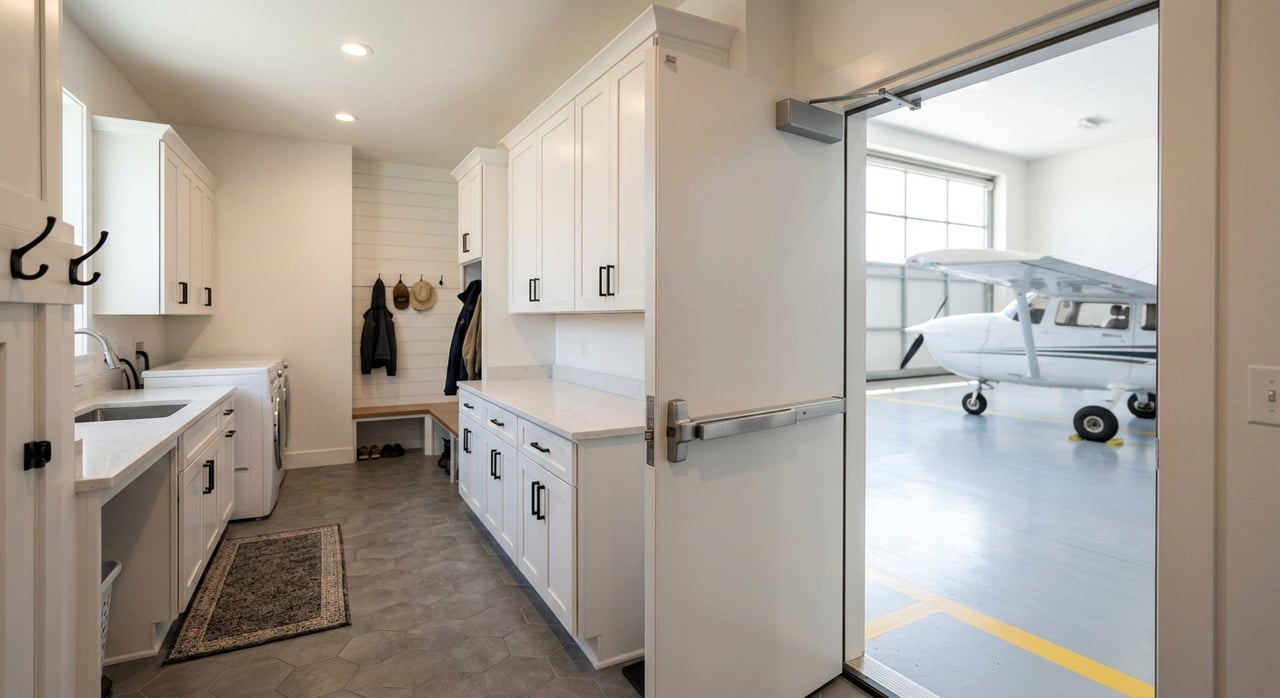
Thinking about a move into Dietz Airpark? This is not a typical home purchase in Canby. If you are juggling a home sale, a home purchase, and possibly an aircraft move at the same time, you need a plan that keeps those pieces from colliding. This guide will walk you through what makes Dietz Airpark different, what to review early, and how to build a smoother timeline from offer to closing. Let’s dive in.
Why Dietz Airpark Requires More Planning
Dietz Airpark is a private-use, privately owned airpark about 2 miles east of Canby. It is not just a neighborhood address. It is a private residential airpark where access is restricted to owners and invited guests, which means your purchase involves both a home and an aviation-access decision.
That distinction matters from day one. Runway use, hangar rights, guest access, and HOA rules should be treated as core parts of the transaction. If you wait until after closing to sort those details out, you may run into avoidable stress.
Oregon aviation planning materials list Dietz Airpark as private/private and show 49 based aircraft in the regional airport table. That points to an established aviation community rather than a one-off strip. For you as a buyer, it means the community structure and operating rules deserve the same attention as the house itself.
Key Facts About Dietz Airpark
Before you build your moving plan, it helps to understand the property type and airport setup.
Airpark Operations at a Glance
Dietz Airpark, also listed as OR40, is a private-use airpark. Permission is required before landing, there is no control tower, and the runway is turf runway 16/34 at 2,640 by 60 feet.
There are no published instrument procedures at OR40. State planning materials also show no fuel at the airpark. If your move includes an aircraft, those details affect how you prepare for arrival, fueling, and backup plans.
Why Timing Gets Tricky
If you are moving into Dietz Airpark from another home, you may be coordinating two closings plus a move plan for aircraft, tools, or aviation equipment. That is a lot to line up, especially in a market that can still move fairly quickly.
Recent March 2026 market snapshots suggest homes in Canby and Clackamas County are still selling in weeks, not months. Redfin reported Canby homes selling in around 22 days, while Realtor.com reported a Clackamas County median of 46 days on market. The numbers come from different methods, but the takeaway is simple: give yourself more cushion than you think you need.
A rushed timeline can create pressure at exactly the wrong moment. If your current home needs to sell first, your lender needs time for appraisal and final approval, or the inspection turns up issues, a tight closing date can turn into an unnecessary headache.
How Closing Timelines Affect Your Move
The mortgage closing is the last step in the homebuying process, and it can take several weeks when signatures are collected separately. Buyers also must receive the Closing Disclosure at least three business days before closing. That short review window is important because it is your chance to confirm final numbers before funds are transferred and the deed is recorded.
For a Dietz Airpark move, this means your final week should not be overloaded with surprises. You want the financial side, the key handoff, and the airport-side access plan to be confirmed before closing day arrives.
Offer Strategy for Dietz Airpark Buyers
The best offer is not always the fastest or most aggressive one. In a specialized property like Dietz Airpark, a smart offer is one that protects your timeline and gives you enough room to complete proper due diligence.
For many move-up buyers and downsizers, the most useful contract tools are:
- A home-sale contingency
- A financing contingency
- An inspection contingency
- A slightly longer closing period
These terms can help reduce gap risk between selling your current home and buying the next one. They can also create space for appraisal, repairs, and lender requirements without forcing rushed decisions.
Start the Sale of Your Current Home Early
If your current home must sell before you close on a Dietz property, early preparation matters. In a market where homes may move in a matter of weeks, the goal is to write your Dietz offer around a realistic closing date, not an optimistic one.
That often means starting listing prep and lender conversations before you are deep into the purchase side. A little extra lead time can make your offer stronger and your move much calmer.
Airpark Due Diligence to Review Early
Airpark homes come with another layer of review beyond the house itself. Oregon’s residential airpark guidebook explains that HOA agreements and CC&Rs can govern access and operations, and it notes that airpark rules may address commercial operations, non-aviation storage on airport property, and other access restrictions.
That is why you should ask for the documents early and read them carefully. In Dietz Airpark, transfer mechanics and access instructions are not afterthoughts. They are part of the buying decision.
Documents and Questions to Review
Before finalizing an offer, review:
- CC&Rs
- HOA rules
- HOA budget and dues
- Runway and taxiway access rules
- Guest access rules
- Hangar rights
- Airport-side storage restrictions
These items help you understand how the property functions in day-to-day use. They also help you confirm whether the home fits your needs before you get too far into the contract.
Inspections and Seller Disclosures Matter
Once you have chosen a home, schedule the inspection as soon as possible. Inspections can uncover repair issues, and depending on your contract terms, they may give you room to negotiate repairs or cancel if the results are not acceptable.
Oregon law also requires a seller to complete, sign, and deliver a seller’s property disclosure statement to each buyer who makes a written offer to purchase residential real property in the state. That disclosure is another key part of your review process, especially when you are buying a property with specialized features or access considerations.
Planning the Aircraft Move
If your transition includes an aircraft, create that plan early. Dietz Airpark has no control tower and no published instrument procedures, so your move should be coordinated around weather, runway condition, communication procedures, and a backup option if conditions change.
Fuel planning matters too because state planning materials show no fuel at OR40. Depending on your setup, the aircraft may fly in, be trailered, or remain in a temporary hangar until the property transfer and access details are complete.
Build a Backup Plan
Even a well-planned move can hit delays. Weather, timing, runway conditions, access logistics, or closing changes can all affect your arrival plan.
A simple backup plan can save you stress. Think through where the aircraft will go if closing shifts, where fueling will happen, and who needs to approve or coordinate access before arrival.
A Simple Dietz Airpark Timeline
The easiest way to reduce stress is to break the move into stages. Here is a practical framework based on the transaction and timing factors in the research.
90 to 120 Days Out
Start with the big-picture items that shape your timeline.
- Get lender preapproval
- Begin listing prep for your current home
- Request HOA and CC&R documents
- Confirm whether the aircraft will fly in, be trailered, or wait in a temporary hangar
30 to 60 Days Out
This is the stage where your contract and due diligence need to work together.
- Write the Dietz offer with the right contingency structure
- Schedule the inspection and appraisal
- Review the seller property disclosure
- Align the purchase closing date with the expected sale of your current home
Final Week Before Closing
Keep the focus on confirmation, not scrambling.
- Review the Closing Disclosure
- Confirm your cash to close
- Coordinate keys and access
- Verify the airport-side move plan
What a Smoother Move Looks Like
A smooth move into Dietz Airpark usually comes down to coordination. You are not just buying a home. You are syncing a purchase contract, your current-home sale, HOA document review, and an access plan that may include aircraft and equipment.
That is exactly where calm, organized guidance can make a difference. When each step is addressed early and in the right order, the process feels much more manageable and a lot less rushed.
If you are planning a move into Dietz Airpark, having a clear strategy can help you protect your options and keep the process on track. When you are ready for steady, experienced guidance with aviation and airpark real estate, reach out to Stacey McGhehey. Smile! Relax! Enjoy!
FAQs
What makes Dietz Airpark different from a typical Canby home purchase?
- Dietz Airpark is a private residential airpark, so you need to evaluate the home itself along with runway access, HOA rules, hangar rights, and guest access.
What should buyers review before making an offer in Dietz Airpark?
- Buyers should review the CC&Rs, HOA rules, budget and dues, runway and taxiway access rules, guest access terms, hangar rights, and any airport-side storage restrictions.
How fast can a move into Dietz Airpark happen in the Canby area?
- Recent March 2026 market snapshots suggest homes in Canby and Clackamas County may sell in a matter of weeks, so buyers should build extra cushion into the timeline.
What contingencies can help when buying in Dietz Airpark?
- A home-sale contingency, financing contingency, inspection contingency, or a longer closing period may help reduce timing risk when you are coordinating two transactions.
What should buyers know about closing on a Dietz Airpark home?
- Buyers must receive the Closing Disclosure at least three business days before closing, and the final week should include confirming funds, access, keys, and the airport-side move plan.
What should aircraft owners plan for when moving into Dietz Airpark?
- Aircraft owners should plan around weather, runway condition, communication procedures, fueling needs, and a backup arrival or storage option because OR40 has no control tower, no published instrument procedures, and no fuel listed on site.