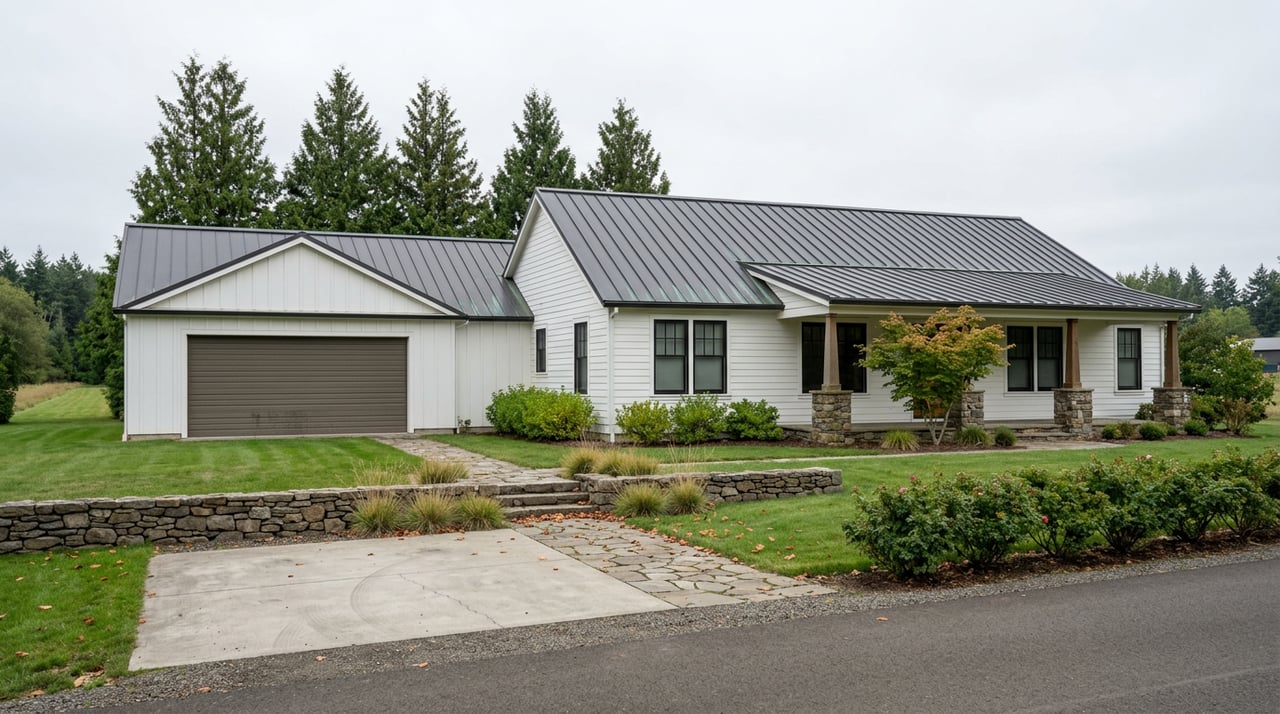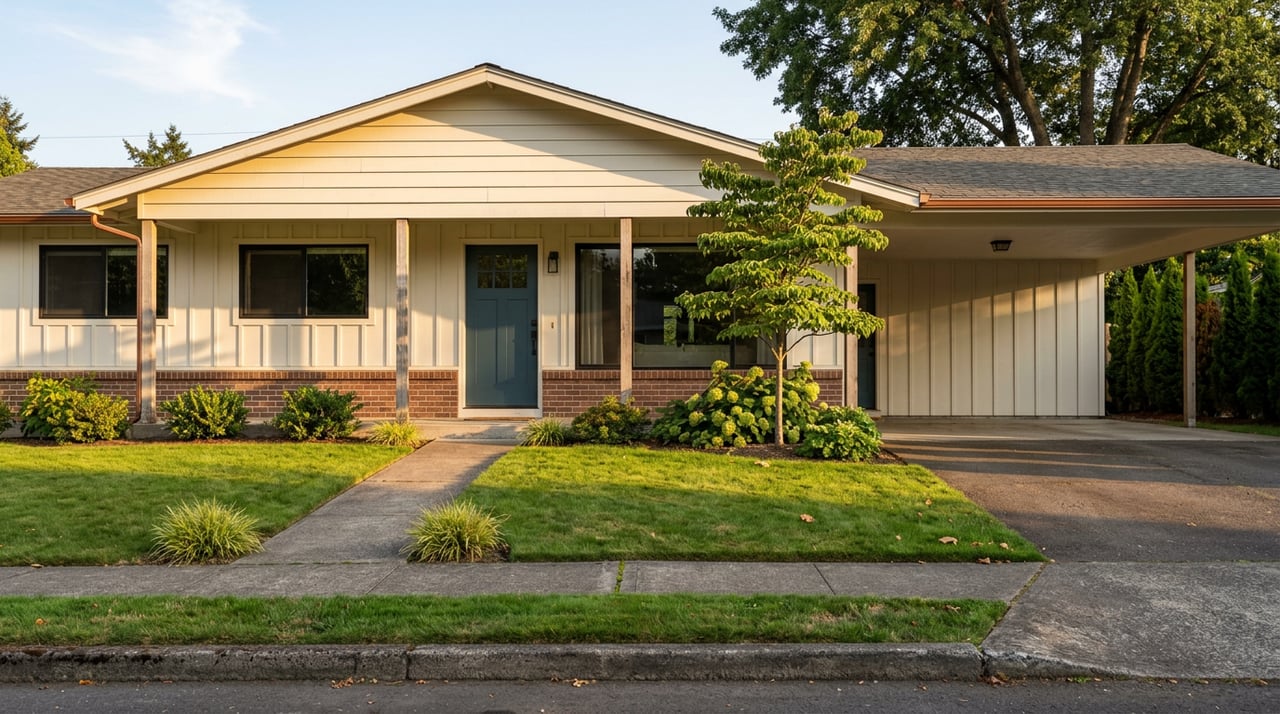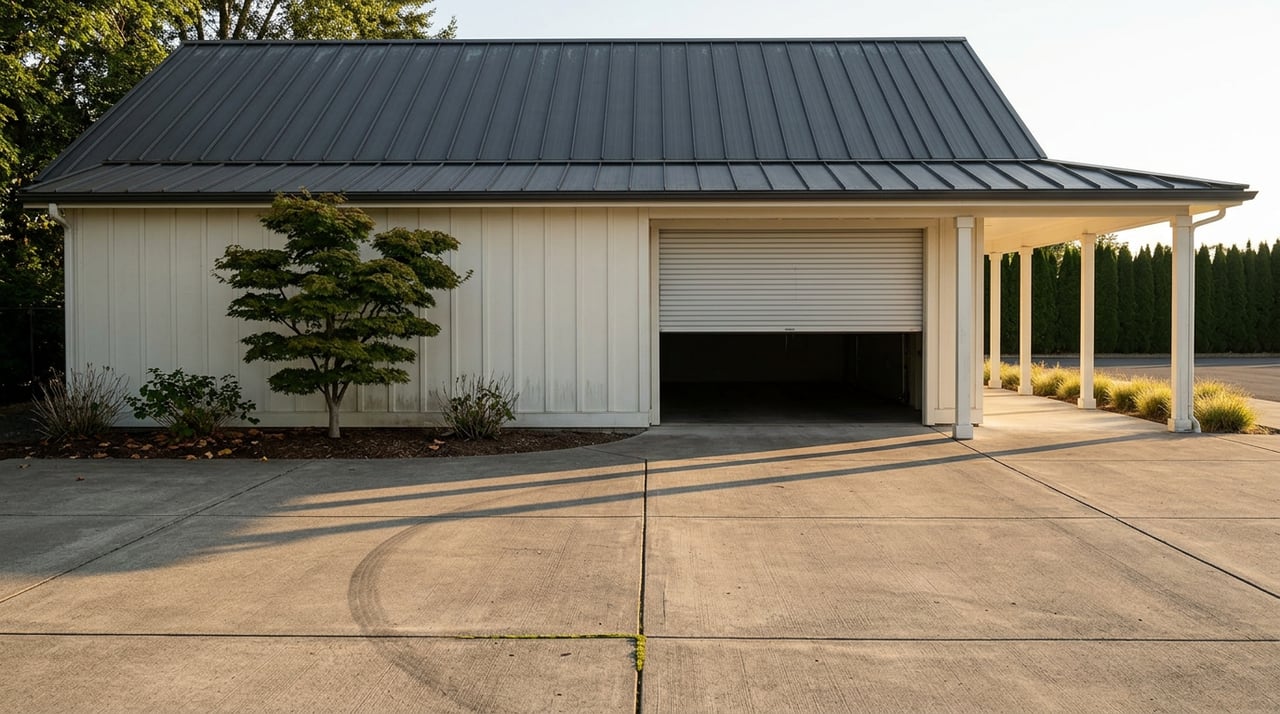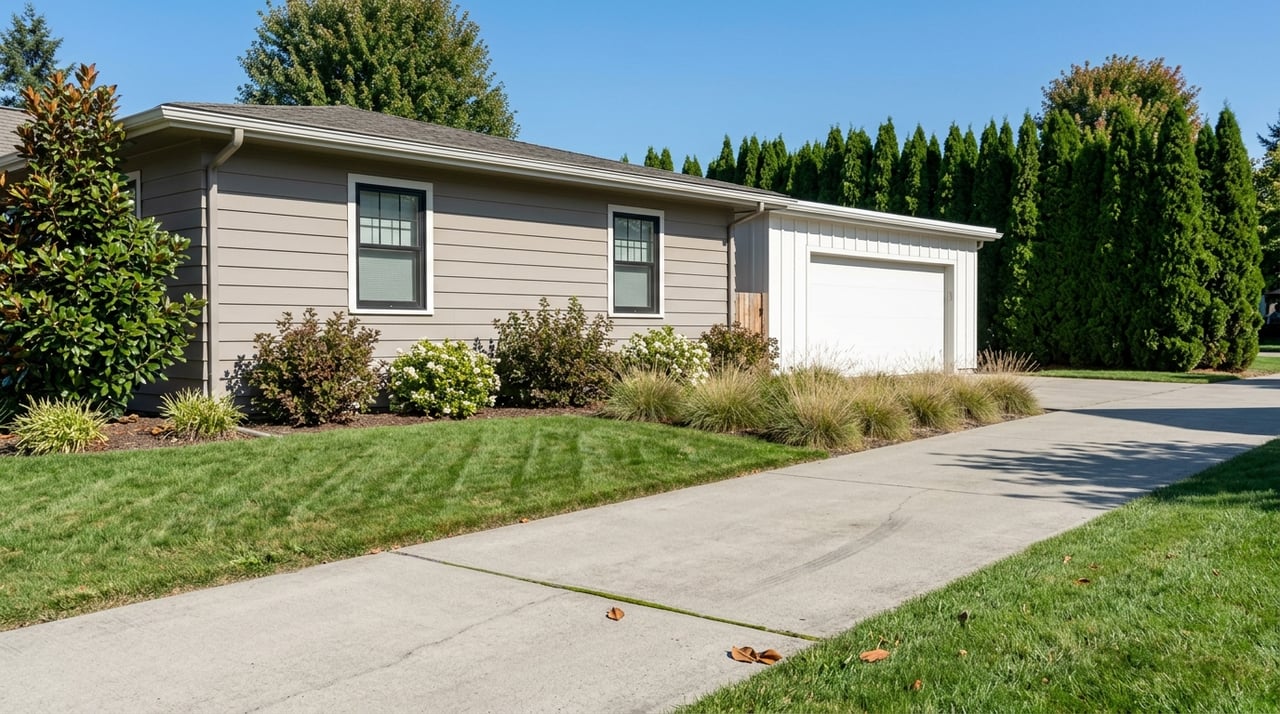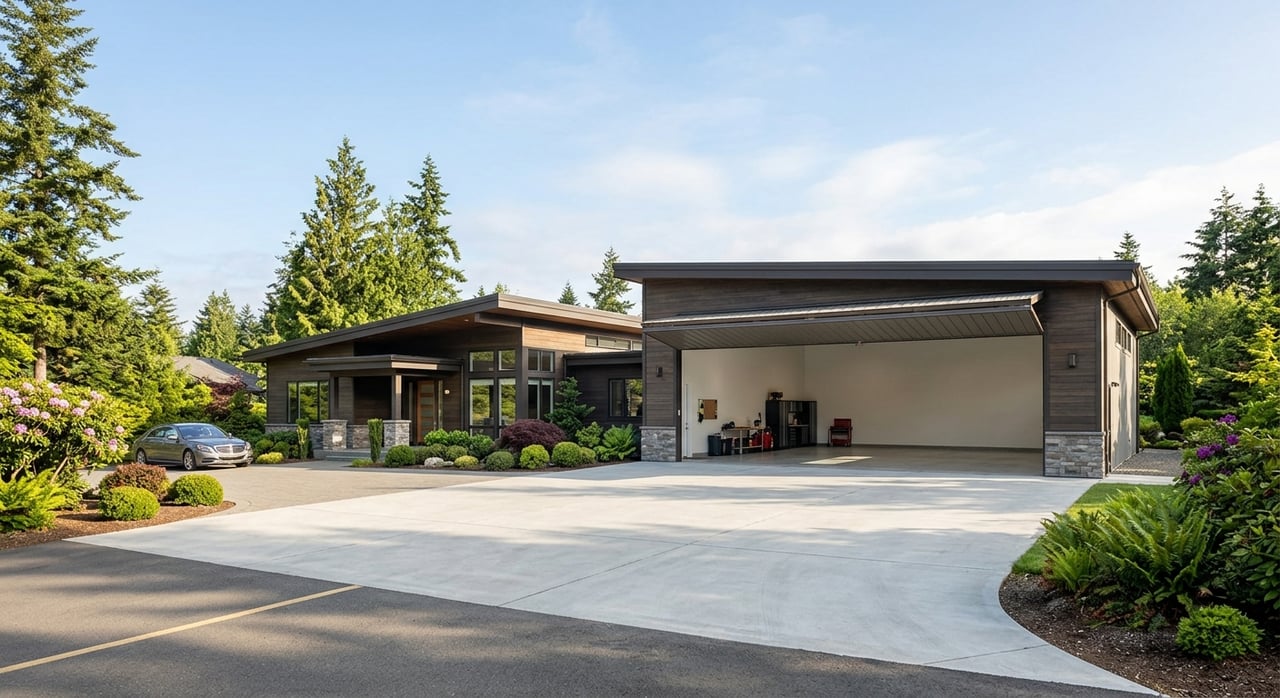
Curious what it’s really like to live where your home and the taxiway are part of the same daily routine? If you are drawn to aviation lifestyle property, Independence Airpark offers something few neighborhoods can: direct ties between residential living and an active general aviation airport. In this guide, you’ll get a clear look at how the airpark works, what daily life can feel like, and what to think through before buying or selling here. Let’s dive in.
What Makes Independence Airpark Unique
Independence State Airport, also known as 7S5, sits about one mile north of Independence on 69 acres. The city is just west of the Willamette River and less than 10 miles south of Salem, which gives you a small-town setting with practical access to nearby destinations.
This is not simply a neighborhood near a runway. According to the Oregon airport information and master plan, the airport supports an active general aviation environment that includes business aviation, flight training, glider lessons, scenic flights, and staging for agricultural aerial application.
The airport’s main runway, 16/34, measures 3,142 by 60 feet and includes a full-length parallel taxiway, MIRLs, and PAPIs. State information also notes about 191 based aircraft and roughly 33,658 annual general aviation operations, with many of those flights classified as itinerant.
How Airpark Living Works
At Independence, homes, hangars, and airport access are closely connected. The City of Independence zoning map includes both a Residential Single-Family Airpark Overlay and an Airport Safety and Compatibility Overlay, which helps shape how the neighborhood functions.
City code defines residential airpark development as single-family homes where most properties have or will have hangars, or where rear lot lines abut a taxiway. In simple terms, this is a community designed around aviation use, not a typical subdivision with an airport nearby.
The Oregon airport master plan explains that the parallel taxiway connects to multiple taxilanes serving apron hangars and hangar homes through seven physical access points. The plan specifically describes these access points as both a physical and social connection between the airport and the airpark.
That detail matters because it tells you a lot about the lifestyle here. Aviation is not just a feature on a map. It is part of how the neighborhood operates day to day.
What Ownership Looks Like
Airpark ownership usually comes with added responsibilities compared with a standard single-family home. City code says new aircraft hangars must be paired with an existing residence, hangars cannot be used as residences, and avigation easements and buyer notification apply in the RSA zone.
The airport master plan also notes that residential through-the-fence users pay access charges and help maintain needed infrastructure. That means ownership can include formal airport-use responsibilities in addition to HOA expectations and normal home maintenance.
The neighborhood’s taxiway etiquette materials reinforce that this is an active aviation setting. The 60-foot taxiway right-of-way should remain clear of obstacles, and automobiles are prohibited there except in emergencies.
The Scale of the Airpark Community
Independence Airpark is not a tiny, one-off development. A 2020 airport master plan snapshot counted 184 private hangar homes and hangars, plus about 23 additional developable sites.
That level of built-out inventory shows how established the airpark is. It also helps explain why buyers often need specific, niche guidance when evaluating fit, access, rules, and long-term usability.
For sellers, this kind of neighborhood also calls for targeted positioning. Marketing an airpark property well means clearly explaining the home, the hangar setup, the taxiway relationship, and the practical aviation benefits without assuming every buyer already understands the lifestyle.
Daily Life at Independence Airpark
If you picture airpark living as isolated or purely technical, Independence offers a broader story. The airport and surrounding residential area appear to be a visible part of local civic life.
The city’s planning commission recently toured the airpark and met with leaders from the Independence Airpark HOA, EAA Chapter 292, and the North Park Annex HOA. Their visit included the EAA building, simulator room, and hangars along Musketeer Taxiway, which shows the airpark is an active local presence.
For many residents, that sense of connection is part of the appeal. You are not just buying a property with a hangar. You are stepping into a community shaped by aviation routines, shared spaces, and organized participation.
Aviation Culture and Community Events
One of the strongest social anchors at Independence State Airport is EAA Chapter 292. The chapter reports about 170 members and meets on the second Saturday of each month at 10 a.m.
It also maintains a clubhouse with tools and flight simulators, which adds a practical and social layer to the airport community. Its event calendar includes a summer fly-in and STOL expo, monthly IMC and VMC safety briefings, Young Eagles flights, and Teen Aviation Weekend for ages 14 to 19.
The Independence Airpark HOA also appears active, with regular board meetings, newsletters, governance documents, and materials focused on living at the airpark. The Oregon Pilots Association also uses the EAA Chapter 292 clubhouse for board meetings, which suggests the airport functions as a regional gathering point as well.
Who Tends to Fit Best Here
Independence Airpark is usually a strong fit for buyers who want an aviation-first environment and understand that shared rules come with the lifestyle. That often includes pilots, aircraft owners, aviation hobbyists, or buyers who value dedicated hangar space for tools, projects, and storage.
It can also appeal to people who genuinely enjoy being part of a structured, social, aviation-oriented HOA. Based on the zoning, HOA materials, and event activity, this is a setting where community expectations and airport compatibility matter.
If you prefer a more conventional neighborhood rhythm, this may feel too specialized. If you want direct aviation access and understand the responsibilities that come with it, Independence becomes a very different kind of opportunity.
What to Consider Before You Buy
Before buying at Independence Airpark, it helps to look beyond the house itself. You want to understand how the home, hangar, taxiway access, and airport-use obligations all work together.
A good starting checklist includes:
- Confirming the property’s relationship to taxiways or taxilanes
- Reviewing any avigation easements and buyer notifications
- Understanding HOA rules and operational expectations
- Verifying hangar configuration, permitted use, and condition
- Reviewing any airport access charges or related responsibilities
- Evaluating how the property supports your current and future aviation needs
Because airpark inventory is specialized, due diligence tends to be more detailed than in a typical residential purchase. Clear explanations early in the process can save you time, money, and stress.
What Sellers Should Know
If you are selling an airpark property in Independence, your buyer pool is usually more targeted than the market for a standard home. That is not a drawback, but it does mean your property should be presented with the right context.
Buyers often need help understanding what makes one airpark property more functional than another. Details like hangar access, lot orientation, taxiway connection, and airport responsibilities can have a real impact on buyer interest and confidence.
A calm, organized selling strategy is especially helpful here. When your listing answers specialized questions upfront, it becomes easier for qualified buyers to see the value and move forward with fewer surprises.
Living Near Downtown and the Riverfront
One of the nice balances at Independence Airpark is that the aviation lifestyle does not remove you from the rest of the community. Independence highlights historic downtown shops and restaurants, seasonal festivals, community celebrations, and a strong riverfront park system.
Riverview Park, the city’s largest green space, includes the Willamette River Trail, an amphitheater, river access, a campground, a playground, and room for walking, biking, kayaking, boating, and community events. That gives residents more than one way to enjoy where they live.
Polk County also describes the area as part of the heart of the Willamette Valley, with access to fertile valley landscapes stretching from the Willamette River toward the Coast Range. Covered bridges, parks, vineyards, wineries, and other day-trip destinations add to the appeal for weekend recreation.
Why Local Guidance Matters
Airpark real estate asks different questions than a standard neighborhood search. You are not only evaluating square footage, finishes, and price. You are also weighing access, compatibility, infrastructure, rules, and how the property supports your aviation lifestyle.
That is where experienced, plainspoken guidance can make a real difference. When you have a clear picture of the property and the community from the start, you can make decisions with more confidence and less guesswork.
If you are thinking about buying or selling at Independence Airpark in Polk County, working with someone who understands both the local market and aviation-oriented property can help you move forward with clarity. For steady, knowledgeable support in Willamette Valley airpark real estate, reach out to Stacey McGhehey. Smile! Relax! Enjoy!
FAQs
What is Independence Airpark in Polk County?
- Independence Airpark is a residential airpark connected to Independence State Airport, where single-family homes and hangar-oriented properties are integrated with taxiway and airport access.
What makes Independence State Airport active for residents?
- Independence State Airport supports general aviation uses that include business aviation, flight training, glider lessons, scenic flights, and agricultural aerial application, so residents can expect regular airport activity.
What should buyers review before purchasing at Independence Airpark?
- Buyers should review taxiway or taxilane access, avigation easements, HOA rules, hangar setup and condition, and any airport-use charges or responsibilities tied to the property.
Are hangars allowed to be used as living space at Independence Airpark?
- No. City code says aircraft hangars must be paired with an existing residence and cannot be used as residences.
Is Independence Airpark only for pilots or aircraft owners?
- Not necessarily, but it is generally best suited for buyers who want an aviation-first neighborhood and are comfortable with airport activity, shared rules, and hangar-oriented property features.
What amenities are near Independence Airpark?
- Nearby amenities include historic downtown Independence, riverfront recreation at Riverview Park, community events, and practical access to Salem, Willamette Valley wine country, parks, and other regional outings.