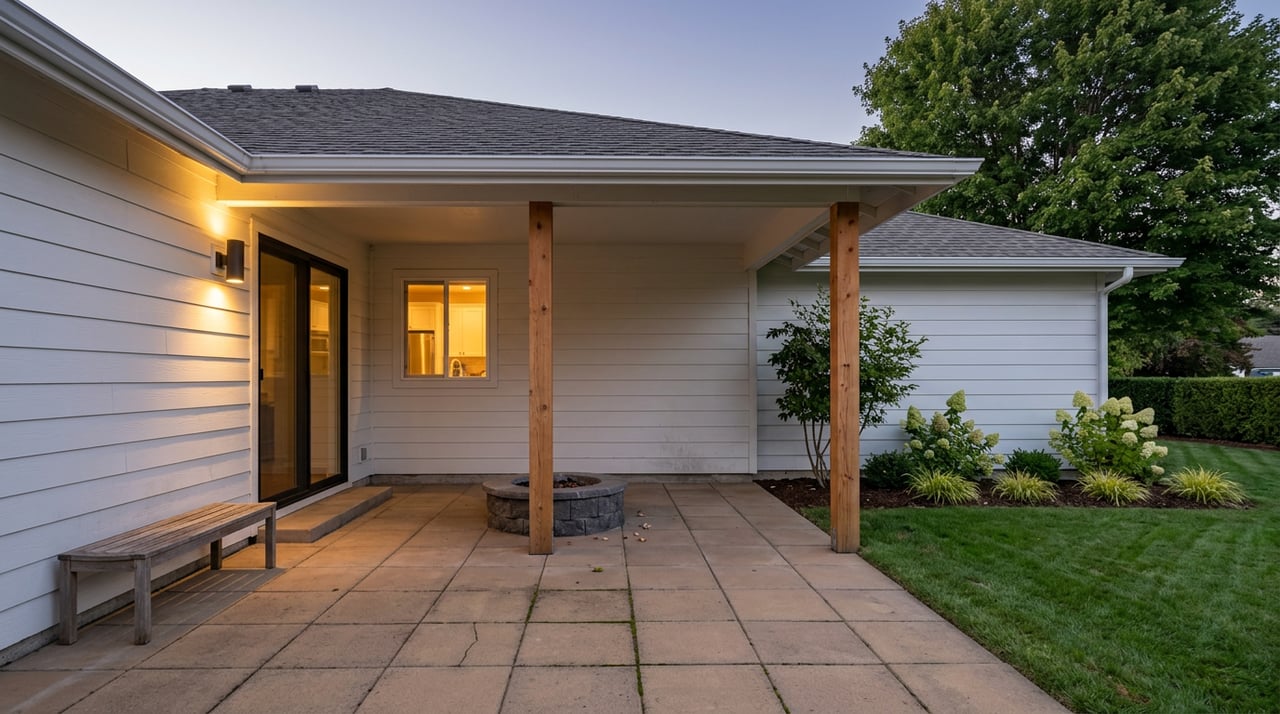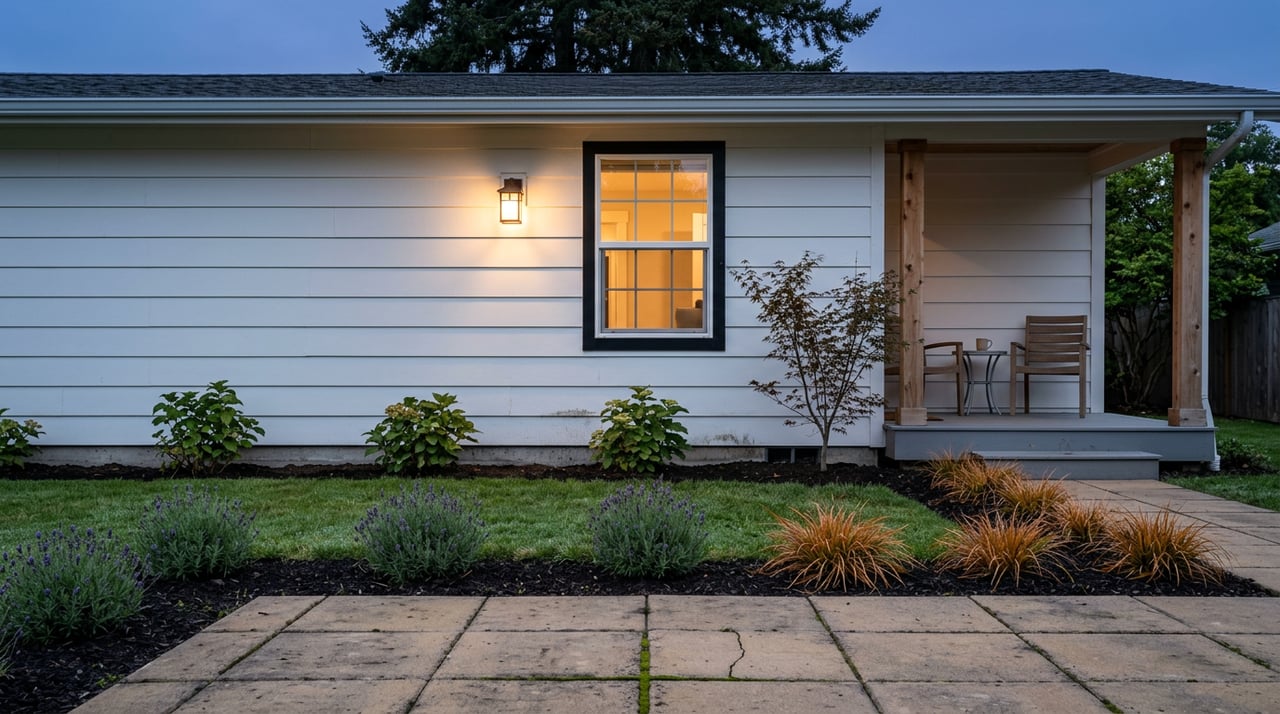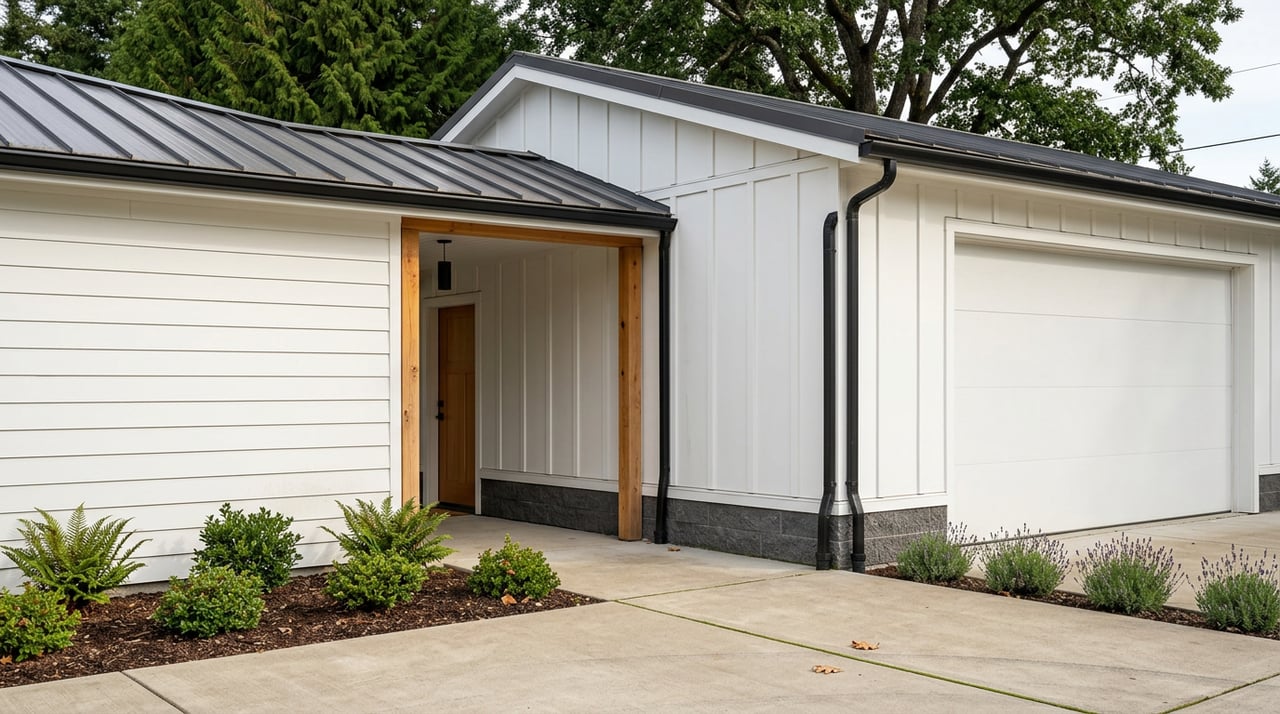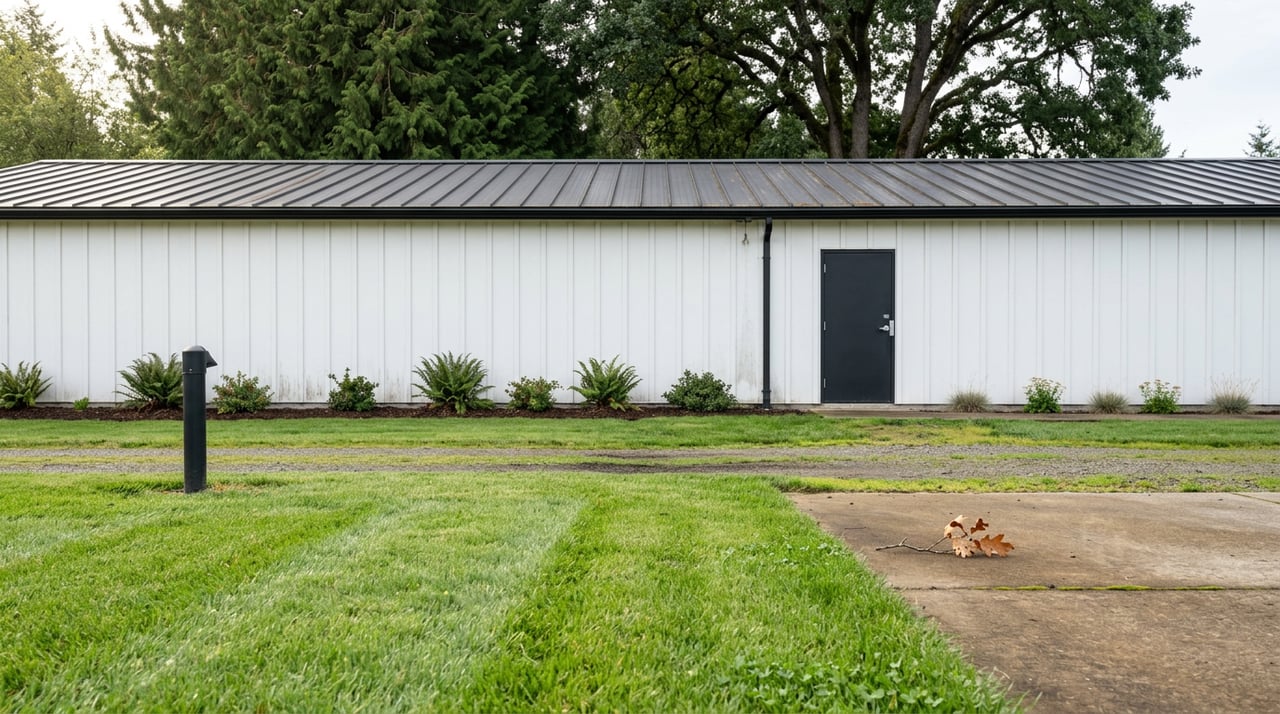
The listing photo shows a modest home on a quiet lane west of Hillsboro. The deed shows something stranger. When Bill Olinger began selling lots along his airstrip in the early 1960s, each parcel came with partial ownership of the airport itself, and that structure still shapes every transaction at Olinger today. A buyer at OR81 is not purchasing a house that happens to sit near a runway. They are buying into a small, member-run aviation cooperative with a 2,000-foot turf strip in the middle of it, and the economics only make sense once you see the full picture.
This is the piece most portal listings leave out.
The deed carries more than the house
Olinger is a privately owned, private-use field. Access is restricted to homeowners and invited guests under Prior Permission Required, there are no fuel services on the field, and the runway is a lighted turf strip maintained by the airpark association, not a public agency or a commercial operator.
That arrangement changes what a buyer takes on at closing. Before you write an offer, you should expect to receive and read:
- The recorded documents that describe your fractional interest in the airport, tracing back to the original lot conveyances
- The current bylaws and dues schedule for the Olinger Airpark Association
- Any easements or access agreements tied to the taxiway from your lot to the runway
- The most recent maintenance history and reserve position for the turf strip and lighting
- Insurance certificates showing how the association handles liability for based operations
None of that appears on a standard MLS sheet. All of it becomes yours the day you sign.
The three-airpark comparison most buyers never see
Pilot-buyers shopping the north Willamette Valley usually tour Olinger against Lenhardt (7S9) near Hubbard and Chehalem (17S) outside Newberg. From the air the three look similar. On paper they are three very different products.
| Feature | Olinger (OR81) | Lenhardt / AirHaven (7S9) | Chehalem (17S) |
|---|---|---|---|
| Runway | 2,000 ft turf, lighted | 3,200 ft paved plus parallel grass | 2,285 ft asphalt |
| Access | Private, PPR, homeowners + invited guests | Privately owned, public use | Privately owned, public use |
| Fuel on field | None | 100LL, self-serve to members 24/7 | 100LL and Jet-A |
| Based aircraft | ~12 single-engine | 75-plus hangars on 270-year leases | ~31 |
| Ownership model | Homeowner association with fractional airport interest | Hangar condominium leases with a separate ownership entity | Privately owned commercial-style airpark |
| Community rhythm | Small, neighbor-led | Friday hangar-talk with coffee and doughnuts, weekend fly-outs | General-aviation traffic with training and itinerant use |
What that table actually tells you: at Lenhardt you buy a hangar interest and rent the land under it for 270 years, with fuel and a shop close by. At Chehalem you buy a house near a paved, publicly usable runway with airframe and powerplant services available. At Olinger you buy into the airport. Your neighbor is not a tenant of a landlord. Your neighbor is a co-owner of the strip you share.
That is either a feature or a friction depending on how you handle governance.
Why a 2003 county ordinance is a resale asset
Turf strips are fragile. So are the sightlines that keep them usable. In 2003, Washington County adopted regulations that protect the approach corridors of small private airports like Olinger by regulating the height of nearby objects, which is the mechanism that keeps a neighbor from planting a stand of Douglas fir that would eventually foreclose your runway.
For a buyer, that ordinance is not administrative trivia. It is the thing that protects the value of the aviation component of the property over a 30-year hold. Before closing, it is worth confirming with the county exactly where your parcel sits relative to the mapped approach surfaces, because those surfaces determine what you and your neighbors can build, plant, and let grow. Ask the seller for any prior height determinations that touched the property, and ask the association whether it monitors vegetation along the approach ends.
A private airpark with no approach protection is a hobby that can be zoned or grown out of existence. Olinger has protection. That is part of what the price reflects.
The resale math is smaller than it looks
Here is the number that reframes the whole conversation. Olinger currently has about 12 active single-engine aircraft based on the field, six experimental and six factory-built. Twelve. That is the size of the community, and by extension the size of the natural resale pool of pilot-buyers who value what makes the property special.
Compare that to the broader Washington County market, where the average home value sat near $569,000 in mid-2026 and had softened roughly three percent year over year according to Zillow's county-level data. In a generic Hillsboro subdivision, a three-percent decline just means a slower sale. In an airpark where the aviation premium is only meaningful to a narrow buyer set, thin conditions cut two ways. You are exposed to the county's general trend, and you are also exposed to how many pilot-buyers happen to be shopping in the exact window you list.
A few implications for pricing strategy:
A home at Olinger should be marketed to two audiences at once. The aviation audience justifies the premium. The general-buyer audience keeps the timeline realistic if the pilot pool is quiet that season.
Which means the marketing package has to speak both languages: hangar dimensions, taxiway width, and approach protection on one page; kitchen updates, lot size, and commute to Hillsboro on another. Sellers who lean only into the aviation story tend to sit. Sellers who lean only into the residential story tend to underprice.
Questions to ask before you write the offer
If you are close to acting, these are the specific items I want in front of me before we sign anything:
- What is the current annual assessment from the Olinger Airpark Association, and when was the last increase?
- What are the reserves for turf maintenance, drainage, and runway lighting, and what is the deferred maintenance list?
- Does the parcel include recorded taxiway or access rights, and are those rights appurtenant to the land or personal to the owner?
- How is aviation liability handled at the association level, and what does an individual owner still need to carry?
- Are there any active or historical FAA or ODA notices affecting operations at OR81?
- Have any neighbors received height determinations or variances under the county overlay in the past decade?
- If financing, has the lender reviewed the association documents and the private-use classification, and have they done a hangar-home loan in Oregon before?
That last one matters more than buyers expect. Lenders who have never touched a fractional-airport interest often price the loan as if it were a standard rural residential deal, and then the underwriter asks the questions late in the process. Better to surface them on day one.
A note on the neighborhood beyond the fence
Olinger sits in the unincorporated community of Leisyville, three miles from Hillsboro, and daily life happens off the field. Buyers I have worked with tend to like the mix: Dion Vineyard for a summer evening, small local spots like the 3lephant Noodle Shack and Peace of Soap Company for the weekend errand loop, and quick access to the west side of the metro when the airplane is not the plan. It is a quiet corner of Washington County that happens to have a runway attached to it.
FAQ
Can I fly in to look at a home for sale at Olinger? Only with permission. OR81 is Prior Permission Required, and access is limited to homeowners and their invited guests. If you are touring, plan to arrive by car and coordinate any fly-in through the seller and the association in advance.
Does the fractional airport interest transfer automatically with the house? That depends on how the interest was originally conveyed and how it has been maintained through subsequent sales. The pattern goes back to the early-1960s lot sales, but each parcel has its own chain of title. A careful title review is the only reliable answer.
Is a turf runway a financing problem? Not by itself, but it does narrow the field of lenders who will underwrite the aviation component without adjustments. The surface, the private-use classification, and the association structure are three separate items an experienced lender will want to review early.
How is Olinger different from Lenhardt or Chehalem for a first-time airpark buyer? Lenhardt is a public-use field with a paved runway, fuel, and a hangar-lease model. Chehalem is a public-use field with a paved runway and full services. Olinger is smaller, private, turf, and structured as a homeowner cooperative. First-time airpark buyers who want conveniences on the field usually gravitate to the first two. Buyers who want a quiet, member-run community gravitate to Olinger.
If you are weighing a move to Olinger, or comparing it against Lenhardt, Chehalem, or one of the other Willamette Valley airparks, I would rather have that conversation before you write an offer than after. Reach out to Stacey McGhehey and we will walk through the documents, the association, and the market together. Smile! Relax! Enjoy!